
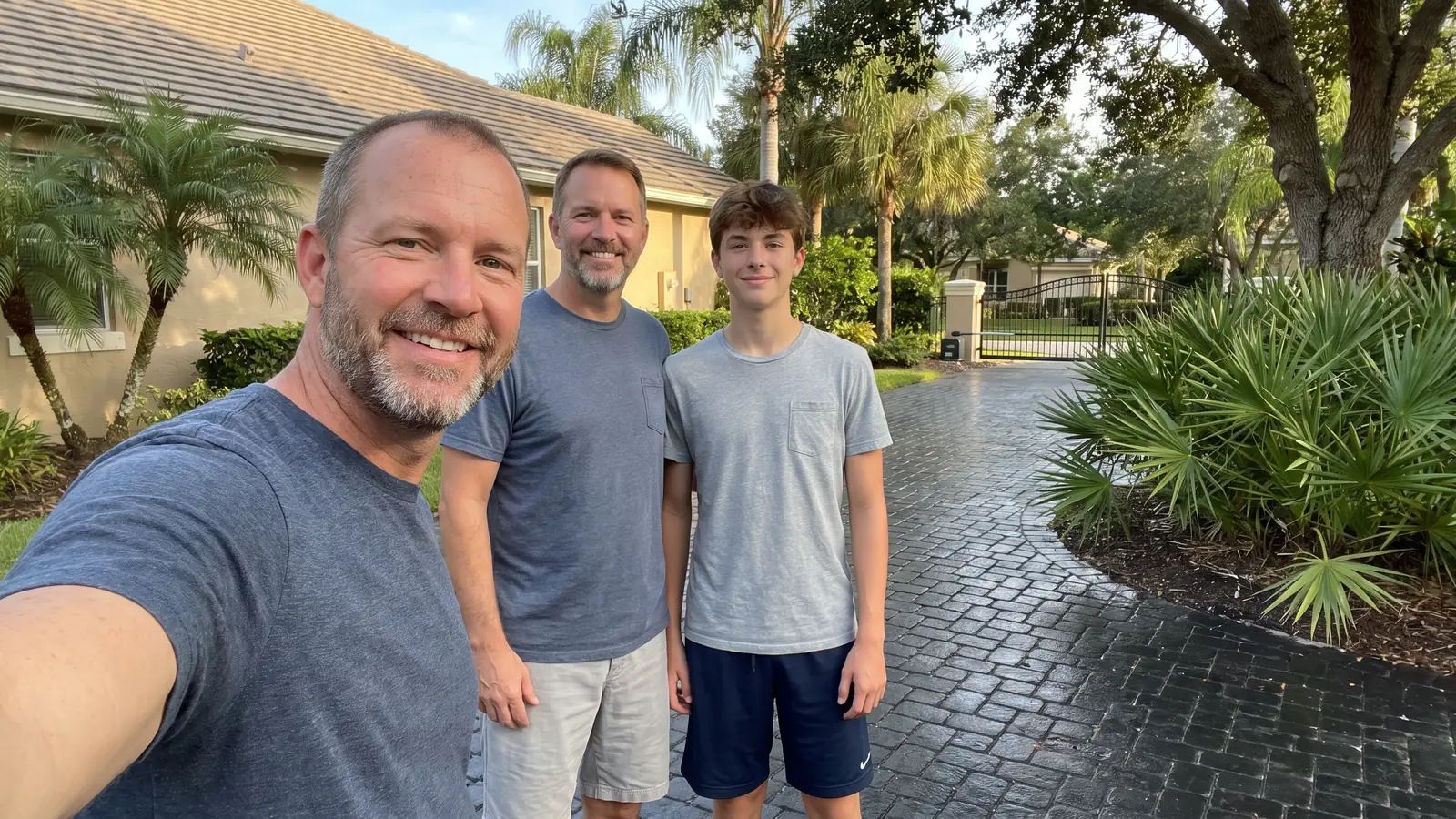
Paver sealing for Sandalwood homes
Paver Sealing in Sandalwood, FL
Sandalwood's Mindanao and Majuro Drive streets date to the 1960s and 1970s; call (904) 966-4279 for a free paver sealing estimate.
- Brings out deeper paver color
- Fresh joint sand helps lock pavers in place
- Gives weeds less room to grow
- Makes the surface easier to keep clean
- Free estimate, no obligation
Request a Free Estimate
Free, no obligation.
Fast, careful paver sealing in Sandalwood
Homeowners in Sandalwood can get paver sealing with a free estimate, and a local contractor replies within 1 business day, usually much sooner. The work covers cleaning, fresh joint sand and a protective coat on drives, walks and pool decks, and it fits homes built in the 1960s as well as newer ones. If your pavers look flat and tired, book your free estimate and a time can be set.
Imagine pulling into a drive where the joints have gone dark, the edges are lumpy with weeds and the color has faded to a flat tan. A clean, even coat changes how the whole front of the house reads, and it holds the sand in place so the weeds stay out. To describe your pavers to a person first, call (904) 966-4279.
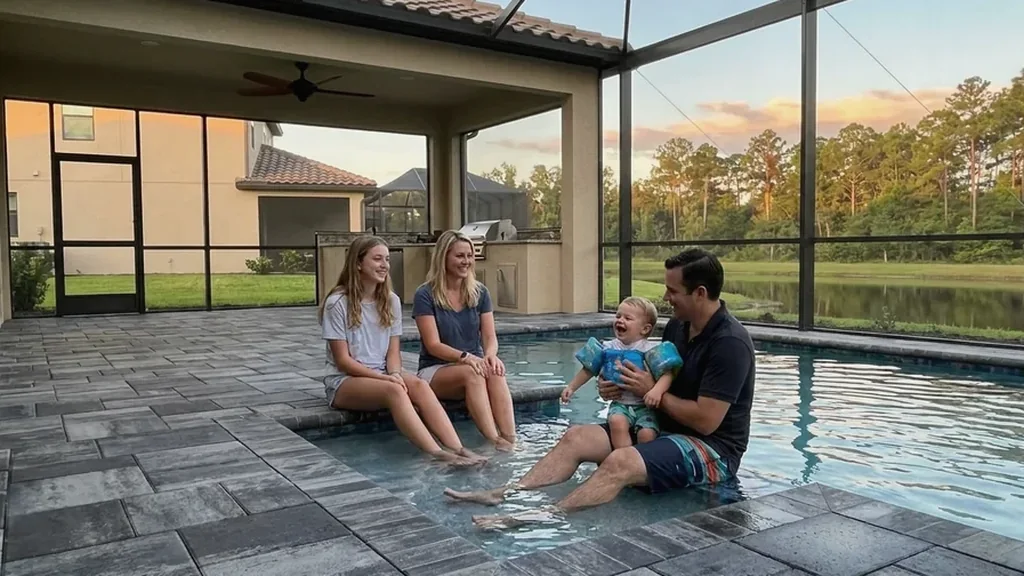
Why hire a local paver sealing contractor in Sandalwood?
Sandalwood is a car-dependent area of 1960s and 1970s subdivisions, which means driveways take a daily beating from tires, sun and storms. A local contractor knows that wear, so to talk about your drive, book your free estimate.
Free estimate, no strings
A contractor measures your Sandalwood pavers and gives a written price. There is no obligation to book.
Published price range
Check any Sandalwood bid against $1.75 to $3.25 per square foot, the published range for cleaning, sanding and sealing.
Finish you can live with
Matte keeps the original color. A wet look adds depth but shows scuffs sooner on a drive that sees daily tires.
Quick reply
Expect to hear back within 1 business day, usually much sooner. Then you choose the date that fits your week, and you can say no at any point.
Get Your Free Estimate in Sandalwood
Tell us about your pavers in Sandalwood.
Free, no obligation
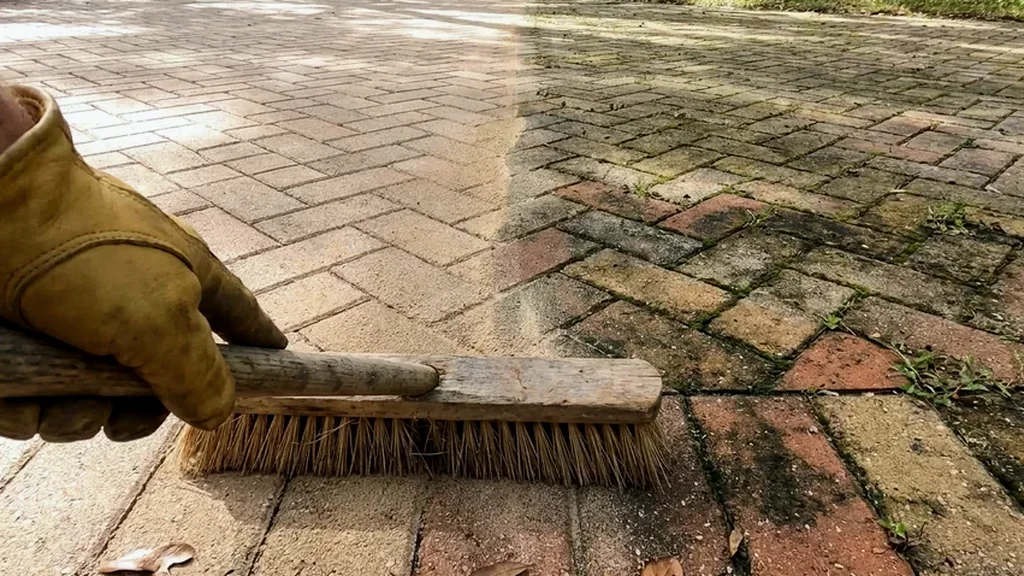
What paver problems show up most in Sandalwood?
Flat, damp ground around the pavers
The USDA describes the Pottsburg soil series, first mapped in Duval County, as poorly drained fine sand on flats with a seasonal high water table. That is county-level information, not a report on any one Sandalwood lot, and a real estate profile of 13 Sandalwood homes shows none in a FEMA flood hazard area. Still, flat ground that drains slowly keeps paver edges damp, and damp edges grow green film. Sealer needs a dry surface, so the contractor checks the edges first, along with any spot where a downspout or a sprinkler dumps water. If an edge stays wet, it may need extra drying time before the coat goes on.
Joint sand that rinses away
Jacksonville gets about 52 inches of rain a year, most of it from May to September in hard, short storms. A First Coast cleaning company says joints wash out in summer storms and that sealing over empty joints is how weeds come back. Fresh sand has to go in before the coat, which means the joints are fixed first and the sealer second. Weeds that you pull in July tend to return in August if the sand underneath is still missing. Ask the contractor to show you any joints that are low or empty, and to point out where the sand has gone.
Daily tires on car-dependent streets
Walk Score gives Sandalwood a score of 14 and rates it car-dependent, with almost every errand needing a car. That puts weight and turning tires on the driveway all day. A Jacksonville paver company notes that vehicle weight and turning tires loosen joint sand. Drive lanes and the spot where the wheels turn are where gaps and sinking show first. Telling the contractor where you park helps, since those lanes get the closest look.
Sealer from an earlier owner
Homes here date from 1960 to 2019, with a median build year of 1973, so many have changed hands more than once. A past owner may have sealed the pavers with a product nobody remembers, or added pavers to a pool deck or a back patio years after the house was built. That matters because water-based sealer cannot go over solvent-based sealer, and failed old sealer gets stripped first. The contractor tests a corner before choosing what goes on. A coat that is peeling, cloudy or patchy is a clue that the old product needs attention before anything new is added.
Orange streaks from sprinkler water
UF extension notes that most Florida well water carries a lot of iron, and irrigating with it can leave orange stains. If your Sandalwood sprinklers run off a well, look for rust-colored lines where the spray lands on the pavers. Those marks are treated before sealing, since a coat would trap them underneath. Sprinkler heads can also be turned away from the pavers once the job is finished, which keeps new marks from forming.
Do older and newer Sandalwood streets need different sealing?
A little, because the age of the pavers changes the prep. Sandalwood began developing in spring 1960, built by Pearce-Uible and advertised as halfway between business and pleasure. Homes run from 1960 to 2019, and streets such as Kusaie, Majuro, Mindanao and Hawaii Drive carry that 1960s and 1970s stock. Give your street name when you book your free estimate.
Newer parts of the area look different. In the Sandalwood East tract, 78.2 percent of homes were built after 1999, and most are single-family homes or townhomes that owners live in. Pavers that new may need to wait before the first sealing, since one company suggests 30 to 60 days after install so white haze can surface. Call (904) 966-4279 and share the age of your pavers.
Many Sandalwood streets sit inside homeowner associations. One Southside paver page sorts finishes by risk: natural looks may pass as maintenance, but color-enhancing or high-gloss coats more likely need approval. Under Florida Statute 720.3035, a board's review stops where its declaration and published guidelines stop. Read yours for limits on finish and color, then book your free estimate.
What does paver sealing cost in Sandalwood?
Around Jacksonville, a full clean, sand and seal is commonly published at $1.75 to $3.25 per square foot. In Sandalwood, the number depends on how porous the pavers are, how much dirt and film is on them, and whether old sealer must be stripped. Stripping adds cost when a past coat has failed. To get a figure for your own driveway, book your free estimate.
Size and layout also count. A wide Sandalwood drive with a walk and a back patio adds area, while a small slab may face a minimum charge. Prep is the larger share of the work, since one company spends 2 to 3 hours of prep for each hour of sealing, and that time shows up in the quote. Call (904) 966-4279 and describe what you have.
| Paved area | Typical example | Clean, sand and seal |
|---|---|---|
| 300 sq ft | Small patio or walkway | $525 to $975 |
| 600 sq ft | Two car driveway | $1,050 to $1,950 |
| 1,000 sq ft | Large driveway or pool deck | $1,750 to $3,250 |
| 1,500 sq ft | Driveway plus pool deck | $2,625 to $4,875 |
Math based on the $1.75 to $3.25 per square foot that Northeast Florida paver companies published as of November 2026. Your contractor sets the actual price after seeing the surface. Repairs, leveling and stripping failed sealer are usually extra.
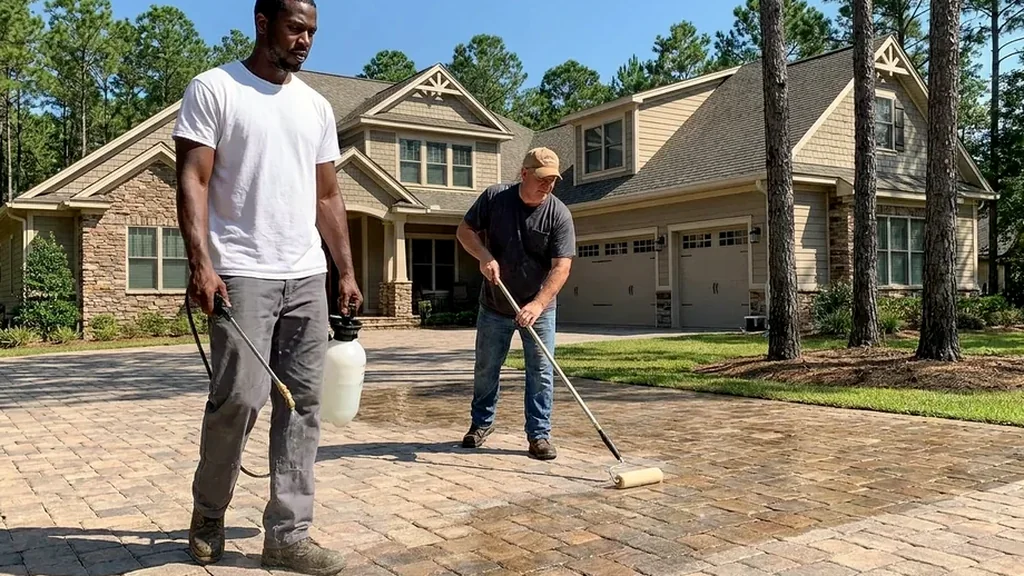
How does a paver sealing job work in Sandalwood?
Meet at the driveway
The contractor walks your pavers with you and notes weeds, low joints, stains and sunken spots. You talk about the finish you want, whether matte for a natural look or a wet look for deeper color, and how you use the drive day to day. They also look for signs of an old coat. Sunken areas are marked for repair first, since sealing preserves a dip. You get a written price at the end of the visit, and nothing starts until you say yes.
Clean, then let it dry
The surface is washed to lift mildew, oil and dirt. Rust marks from sprinkler water get separate treatment, and some oil, rust or organic marks may not come out completely. Because sealer cannot go over damp pavers, the contractor waits until the surface is dry. In humid summer weather that can take extra time, and a shaded side yard dries slower than an open drive. Drying is confirmed by checking the surface, since humid weather slows it.
Put the sand back
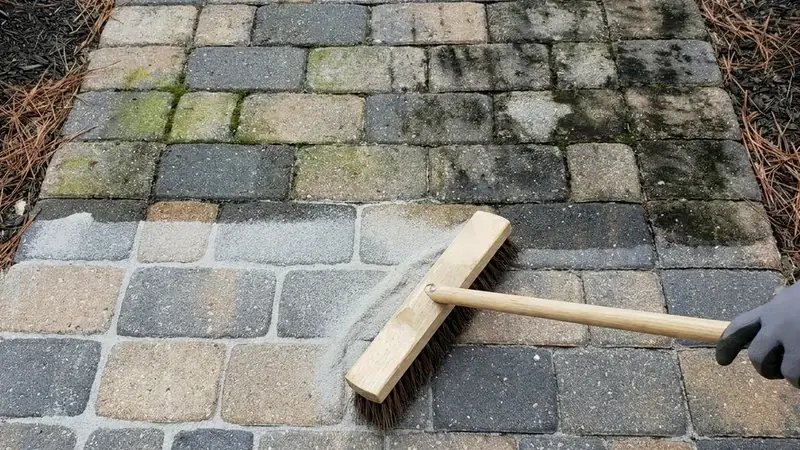
Washing removes joint sand, so fresh sand is swept in and packed. Full joints keep weeds out and hold the pavers steady under tires, and sealer then locks that sand in. This step comes before the coat, not after. Empty joints are how weeds come back, so skipping this step defeats the purpose. The contractor sweeps the surface clean before moving on.
Spray and back-roll the sealer
Professionals typically spray the sealer and then back-roll it, which pushes it into the joints and keeps the coat even. The contractor works in thin coats and checks the edges as the sealer goes down. Garage edges, walk borders and steps get hand attention, because a roller cannot reach every corner. Fences, plants and the house wall are covered before spraying, and cars are moved out of the way. A thin coat that dries evenly looks better than a thick one, which can turn white and cloudy.
Stay off while it cures
Give it a few hours before anyone steps on it and roughly a day before a car pulls in. One Jacksonville company tells owners to stay off a full three days after a two-day job. The contractor tells you the wait for your product. Plan to park on the street for a night, and keep sprinklers off the pavers until the coat has cured.
Complete paver services in Sandalwood
Start with the surface. A contractor cleans away mildew, oil and stains, lets the pavers dry, tops up the joint sand and then applies sealer in thin coats. One Jacksonville company says its job takes two days to clean and seal. To plan yours, book your free estimate.
Drives, walks and patios each wear differently. Sandalwood drives take tire traffic, walks catch leaf litter and patios see sun and furniture. The contractor adjusts the wash and the coats to suit each one, so mention every surface when you call (904) 966-4279. A pool deck gets its own plan, since wet feet and chlorine change what finish makes sense.
Sealers come water-based or solvent-based. Acrylic formulas are the economical choice but may scratch more easily, while polyurethanes are tougher and typically cost more, and matte or wet look is your pick. Ask the contractor which product goes on your pavers, and book your free estimate if you want a sample.
Sandalwood summers bring afternoon storms, so the contractor watches the sky. One Jacksonville company warns never to seal a damp surface or right before a downpour. Cooler, drier months from November through April are easier to schedule, so call (904) 966-4279 and ask which dates are open.
Questions to ask before you hire
- Will the sealed pool deck be slippery when wet, and is there a grip additive?
- Do you replace joint sand that has washed out, or only add a little on the surface?
- Will the sealer leave a glossy wet look or a natural matte one, and can I see a sample first?
- Can you seal the driveway now and come back for the pool deck later?
- What happens if a summer storm rolls in halfway through the job?
- How do you protect my plants, my landscape lights and the base of the house?
- How do you check that the pavers are dry before the sealer goes on?
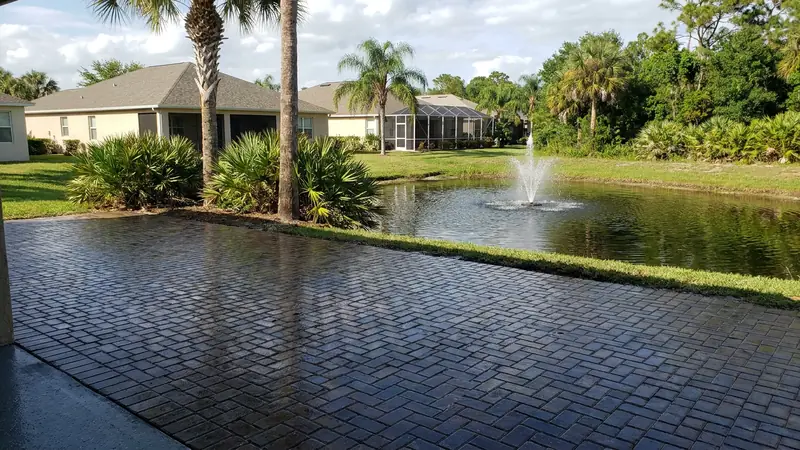
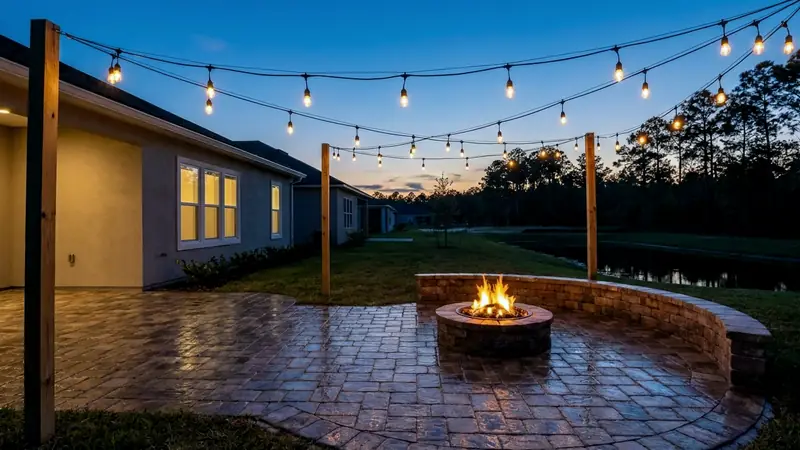
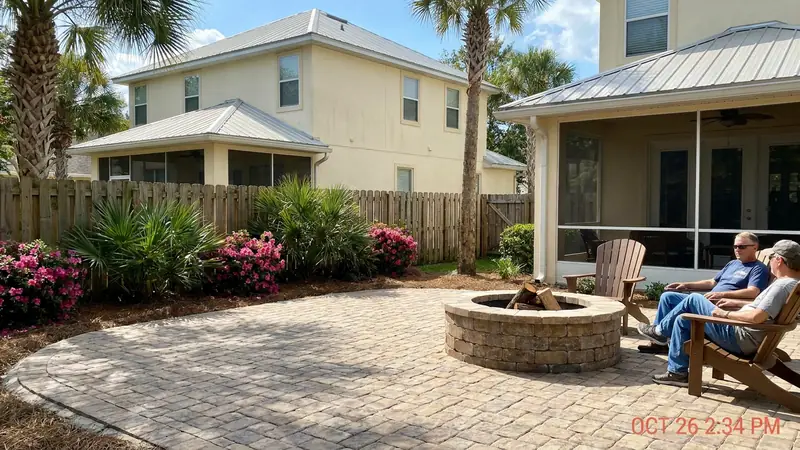
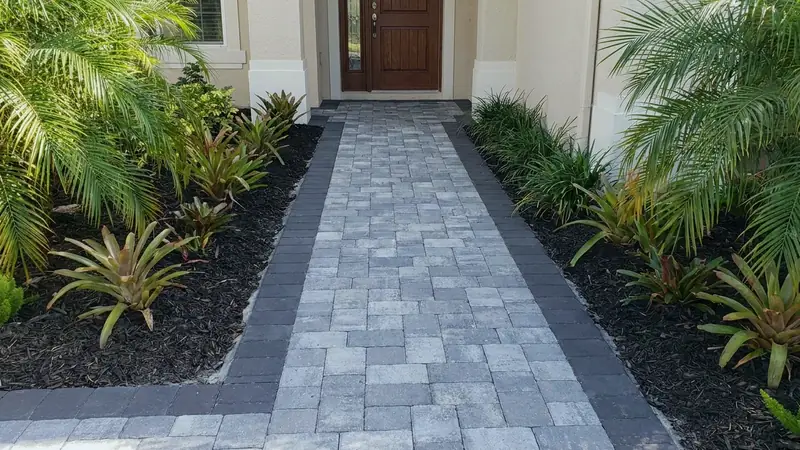
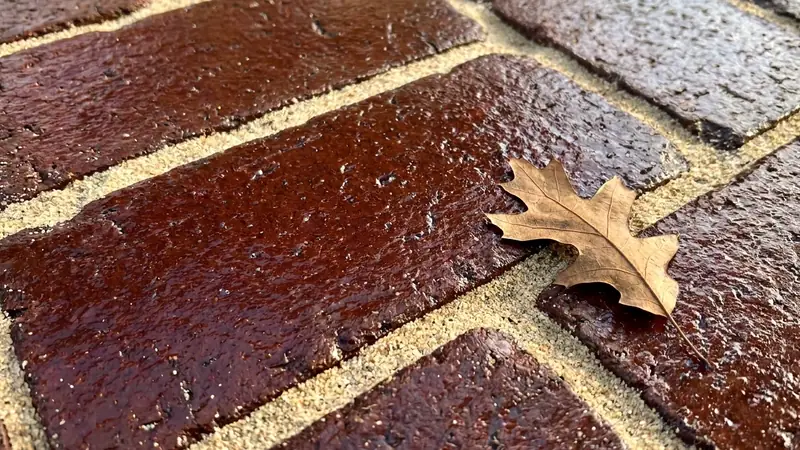
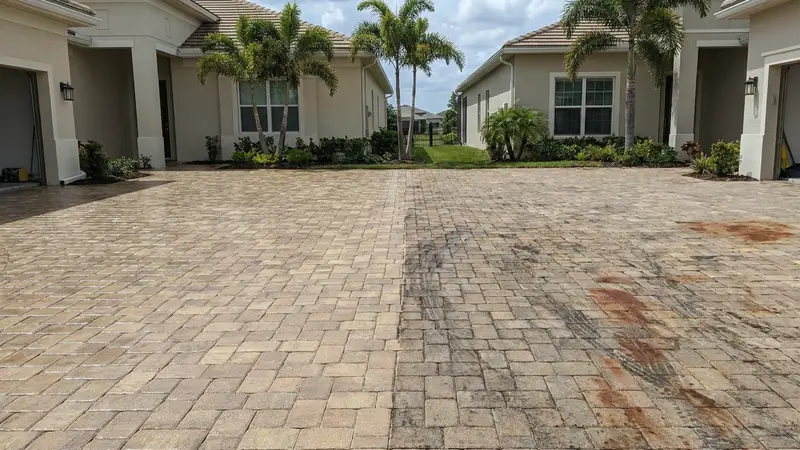
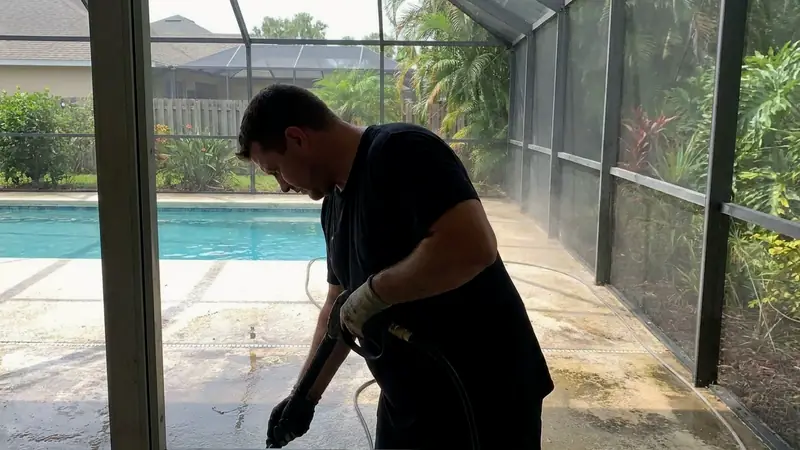
What do sealed pavers look like around Sandalwood?
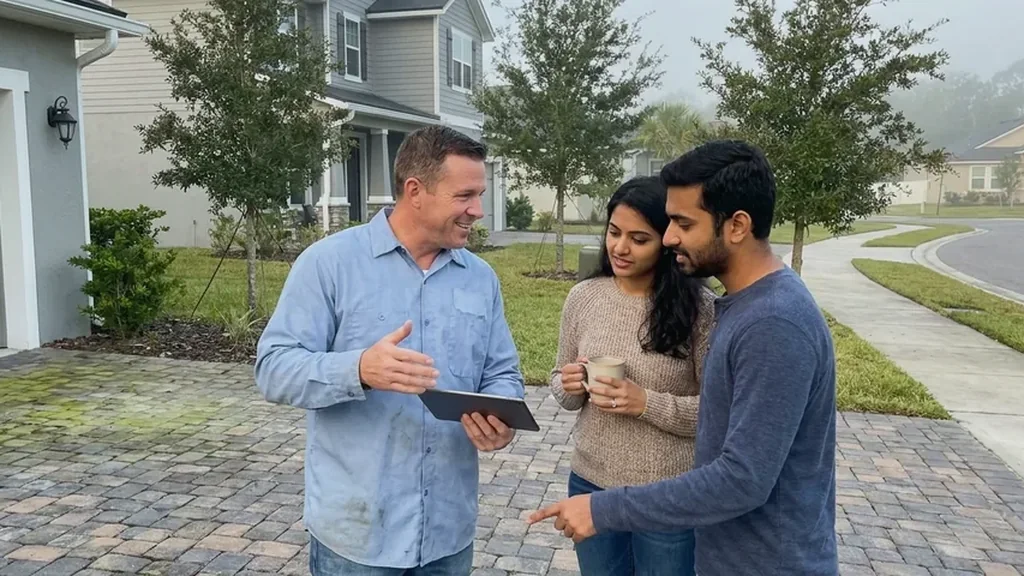
Why local matters in Sandalwood
With 58,105 residents in ZIP 32246 across 19 square miles, Sandalwood covers a lot of ground. Streets differ in age, lot size and drainage, and a contractor who works around here sees those differences all the time. To get a plan for your street, book your free estimate.
Most homes here were built from the 1960s on, so driveways have seen decades of use. Local contractors know how to read the wear, from sunken wheel lines to old sealer, and they can tell you what is worth fixing first. Call (904) 966-4279 and ask what to expect.
Afternoon storms in Sandalwood come fast in summer, and a contractor from the area plans for them. Early start times and a close look at the forecast keep wet weather off a fresh coat. The estimate is free, so book your free estimate when you are ready.
Does it matter that Sandalwood was built in the 1960s?
Yes, because a 1960s build means long-lived driveways and older sealer history. Pearce-Uible began building across Jacksonville in 1945, and its developments included Southside Estates, San Jose, Arlington Manor and Sandalwood. After the Mathews Bridge opened in 1953, Arlington grew faster than any other part of the city. To talk through your own street, call (904) 966-4279.
Sandalwood High School opened on September 7, 1971, as a junior-senior high for grades 7 through 12, and its pool becomes a free public pool in summer. State Road 202, known as JTB, carries commuters past Sandalwood on its 13-mile run to the beaches. Maps have shown Pottsburg Creek since 1824. Near any of these Sandalwood landmarks, book your free estimate.
Frequently Asked Questions
Is it good to seal pavers on a Sandalwood driveway?
Yes, in most cases. Sealer holds joint sand in, slows fading and keeps oil and dirt on top. Sandalwood's heavy summer rain and sunny, open drives make those benefits count. A sealed surface also cleans up more easily later, because dirt and algae hold on less. It cuts back weeds and ants in the joints as well.
Can a contractor clean, sand and seal pavers in Sandalwood?
Yes, that is the usual job and the standard order of work. The contractor washes the surface, refills the joints with sand and applies sealer after the pavers dry. One Jacksonville company says the full job takes two days, so ask how long yours will take and how many visits it needs. Drying time between the wash and the coat is part of that schedule.
How long will a sealer last on a Sandalwood driveway?
Quotes for how long a coat lasts commonly run two to five years. Full sun and daily car tires can shorten that span on a Sandalwood driveway, and UV breaks down both color and sealer over time. A quick test helps: water that beads means the coat is working, and water that soaks in means it is done.
Why does paver sealing cost so much in Sandalwood?
The prep takes the most time. Prep, by one local company's count, runs about 2 to 3 hours for every hour of actual sealing. Washing, drying, stripping and refilling joints all add up before any sealer is applied. A small slab can also cost more per square foot, since setup time is spread over less surface.
How much does paver sealing cost in Sandalwood?
Sandalwood quotes can be checked against the published $1.75 to $3.25 per square foot for a full clean, sand and seal. Porosity, dirt and old sealer move a Sandalwood job within that range, and stripping a failed coat sits above it. Ask for the full square footage in writing so you can check the math.
Does my Sandalwood HOA have to approve a sealer?
It depends on your declaration, which is the document your association recorded. One Southside paver page says a natural-look sealer may count as maintenance, while a color-enhancing or high-gloss finish more likely needs approval. Florida Statute 720.3035 limits a board to what its rules say.
Can new sealer go over the old sealer on my pavers?
Not always. Water-based sealer cannot go over solvent-based sealer, and failed old sealer is stripped first. The contractor checks a corner of your Sandalwood pavers to see what is there. If you remember who sealed them last, or still have the product name, mention it at the first visit. Old receipts and product names can settle the question quickly.
How long should new pavers wait before sealing in Sandalwood?
One Jacksonville company suggests 30 to 60 days after installation. That gives efflorescence, the white haze, time to come out first. If your pavers are new, ask the contractor when to book. Waiting also lets you see how the surface weathers before you pick a finish.
Ready for a Free Estimate in Sandalwood?
Call (904) 966-4279 and tell us about your pavers.
Free, no obligation