
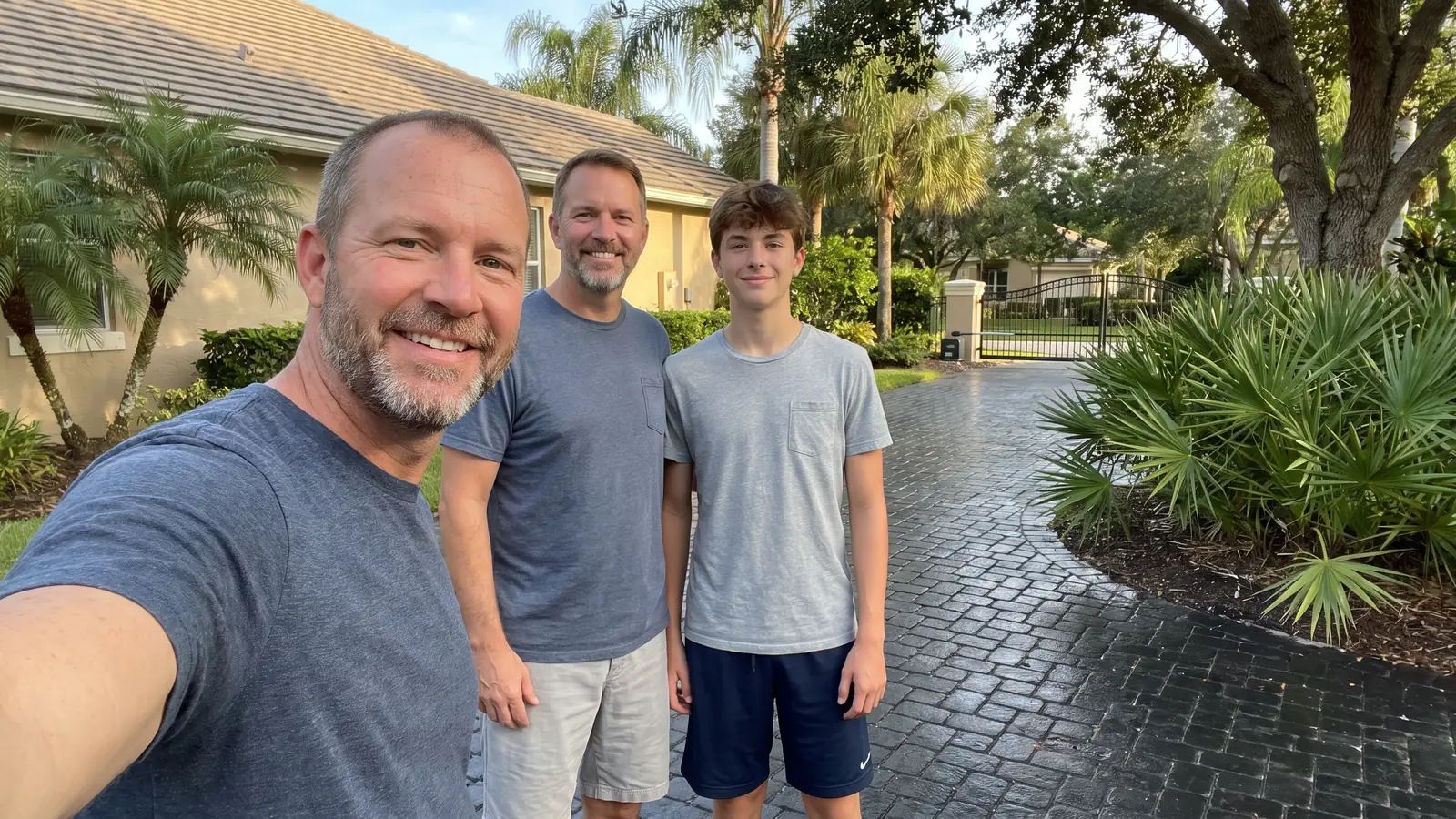
Paver sealing for San Jose homes
Paver Sealing in San Jose, FL
San Jose's oak-shaded streets near Via de la Reina need pavers that last; call (904) 966-4279 for a free sealing estimate.
- Brings out deeper paver color
- Fresh joint sand helps lock pavers in place
- Gives weeds less room to grow
- Makes the surface easier to keep clean
- Free estimate, no obligation
Request a Free Estimate
Free, no obligation.
Fast, careful paver sealing in San Jose
If you live in San Jose and want paver sealing, a local contractor can give you a free estimate and will reply within 1 business day, usually much sooner. The job covers a wash, fresh sand in the joints and a protective coat on drives, entry walks and pool decks. Houses near Via de la Reina and homes near the river are both served. To start, book your free estimate.
Think of a front walk that has turned green under the oaks, with a pool deck gone chalky next to it and moss in the corners. Cleaned, re-sanded and sealed, the whole yard looks cared for again, and that holds for a 1920s Spanish-style home as well as a newer one. If you would like to talk it through, call (904) 966-4279 and say what you are seeing.
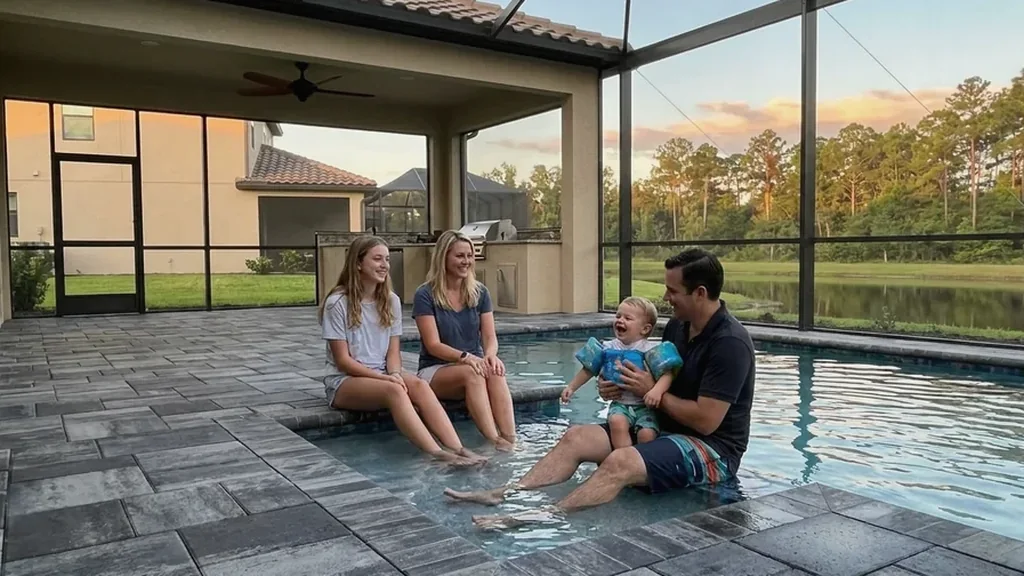
Why hire a local paver sealing contractor in San Jose?
San Jose mixes old oaks, river air, gated streets and homes from nearly every decade since the 1920s, so one-size-fits-all sealing does not work here. A local contractor adjusts to each lot, and you can book your free estimate to hear how.
A look before a price
The contractor visits your San Jose lot, measures the pavers and quotes a price in writing. The visit is free, and you may say no after you hear the number.
A range to measure bids by
Published prices for a full clean, sand and seal run $1.75 to $3.25 per square foot. San Jose bids should land near that.
A finish that fits the setting
A natural, low-sheen look around a pool keeps glare down. A wet look suits a drive where you want deeper color.
Gate and association friendly
Tell the contractor about gates, visitor lists and any HOA rules up front, so the work day goes smoothly for you and your neighbors.
Get Your Free Estimate in San Jose
Tell us about your pavers in San Jose.
Free, no obligation
What paver problems show up most in San Jose?
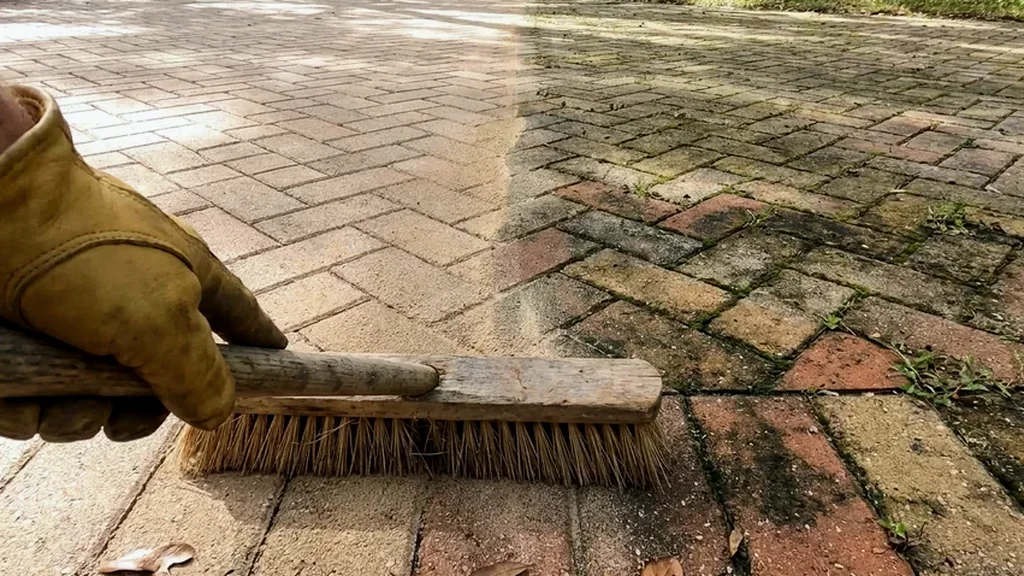
Algae and moss under the oak canopy
Most San Jose homes have lawns shaded by large oaks with draping moss, and live oaks can spread 60 to 120 feet. Green algae grows in shaded spots where moisture lingers, and Florida's humidity keeps it coming back. A walkway under that canopy stays damp longer than an open drive. Sealing over green film would trap it, which means the wash comes first. Ask the contractor to look at the shaded north side of the house, where algae tends to start.
Acorn and leaf stains on drives
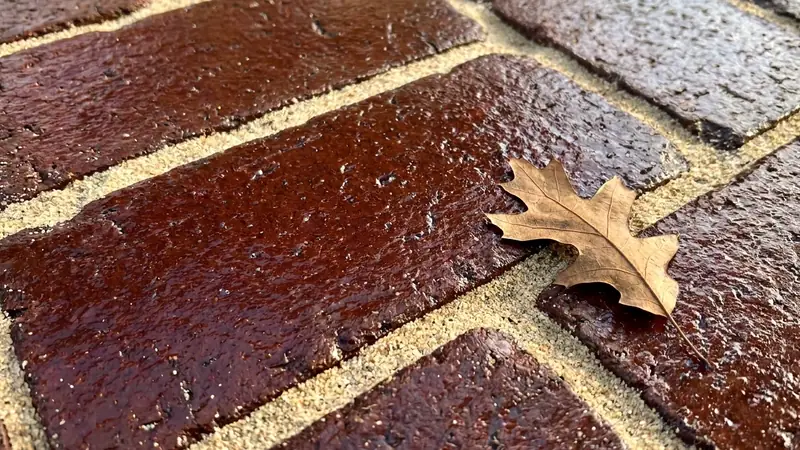
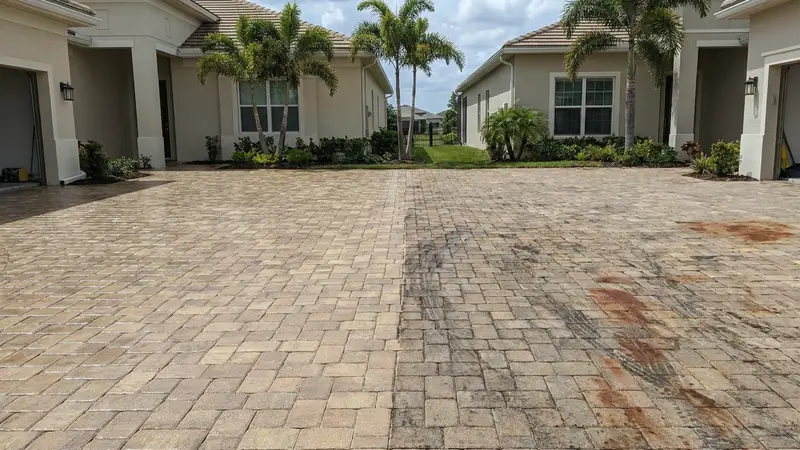
UF/IFAS says water oak acorns are prolific and can stain asphalt and concrete where they fall. A Jacksonville paver company adds that driveways pick up leaf tannins from oaks along the street. Those brown marks sit in the surface and fade slowly, and a driveway that faces the street oaks often shows them first. A wash before sealing is what brings the color back. Treating them before sealing matters, because a coat locks in whatever is underneath. Sweeping acorns and leaves off the pavers before the visit also helps the contractor see the real surface.
Roots that lift walkways
A company that serves another Northeast Florida neighborhood says tree roots can raise walkways and driveway edges. In San Jose, where big oaks stand close to many front walks, the same thing can happen. Lifted pavers are reset before sealing, because a coat on a bump only preserves the bump. Point out any rocking or uneven stones at the first visit, and mention which trees stand closest. The contractor can then price the repair along with the sealing.
Pool splash and chlorine residue
San Jose has many riverfront and pool-yard homes. One Jacksonville paver company says pool decks with chlorine or salt systems need resealing about every 18 to 24 months, and that splash leaves residue on the surface. A natural, low-sheen finish keeps glare down around water, which is easier on the eyes on a bright afternoon beside the pool. Ask about grip when you pick a finish, since wet feet and a glossy surface are a poor mix. The contractor can show you the sheen on a sample before the work begins.
River air and summer downpours
The St. Johns at Jacksonville is an estuary, where tides and ocean storms have a strong influence and humidity stays high. Add about 52 inches of rain a year, mostly May through September, and unsealed joints lose sand fast. Empty joints let weeds root and pavers shift, which means fresh sand and a sealed surface do real work here. Sealing holds the sand in place so the next storm does not carry it off.
How does sealing differ across San Jose's old and new streets?
It differs mostly in the details of access and age. San Jose Estates was chartered in 1925, with a radial plan, streets named for Spanish cities and paved sidewalks on every street. As of 2025, 21 original homes remained in the Mediterranean Revival style. Mention your street when you book your free estimate, so the contractor can plan around it.
Later building filled in the rest. After World War II, a development company re-platted much of San Jose, and I-95, built a few miles east in the 1960s, kept it mainly residential. Today the homes run from million-dollar waterfront houses to small wood-frame starters, so call (904) 966-4279 and describe your pavers, from patio size to age.
Epping Forest, a gated community off San Jose Boulevard, shows why access matters. A Southside paver page warns that a guard gate can cap the hours and vehicles a contractor may bring. Tell the contractor about gates and visitor lists, and check your association's guidelines, since Florida Statute 720.3035 limits review to what its documents say. Then book your free estimate.
What does paver sealing cost in San Jose?
The usual published range for a full clean, sand and seal is $1.75 to $3.25 per square foot. On a San Jose lot, shade growth, stained oak litter and any failed old sealer move the number inside that range. Stripping an old coat costs more than a plain reseal, and a test corner usually shows whether it is needed. To see where your pavers fall, book your free estimate.
Lot size and access also change the bill. A circular drive and a pool deck add area, while a small courtyard can cost more per square foot because setup time is spread over less surface. A guard gate or a narrow side path may add handling time, and plants near the pavers may need to be covered first. Call (904) 966-4279 and describe your layout.
| Paved area | Typical example | Clean, sand and seal |
|---|---|---|
| 300 sq ft | Small patio or walkway | $525 to $975 |
| 600 sq ft | Two car driveway | $1,050 to $1,950 |
| 1,000 sq ft | Large driveway or pool deck | $1,750 to $3,250 |
| 1,500 sq ft | Driveway plus pool deck | $2,625 to $4,875 |
Math based on the $1.75 to $3.25 per square foot that Northeast Florida paver companies published as of November 2026. Your contractor sets the actual price after seeing the surface. Repairs, leveling and stripping failed sealer are usually extra.
How does a paver sealing job work in San Jose?
Survey the lot and the shade
The contractor walks the pavers with you, noting oak shade, root lifts, stains and the age of any old sealer. A test corner shows what is already on the surface, which matters because water-based sealer cannot go over solvent-based sealer. Gate codes and parking get settled now. You get a written price before anything starts, and you can take time to think.
Wash the algae and tannin away
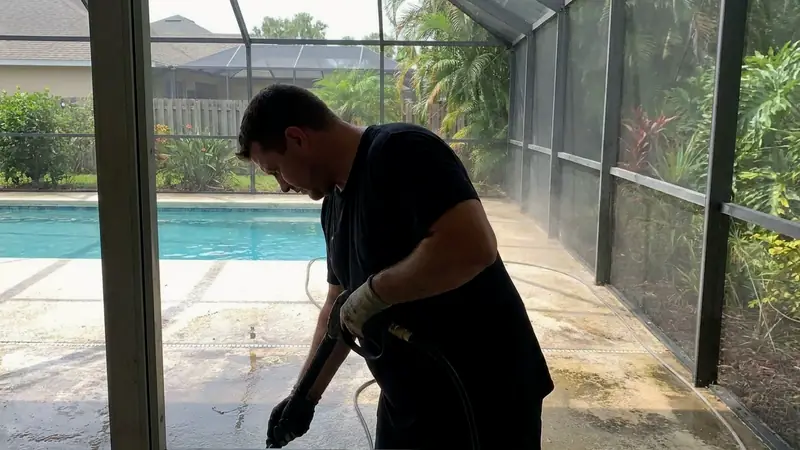
A wash lifts green film, leaf tannin, rust and oil. Some deep oil or rust stains may not come out completely, and a good contractor tells you that up front. Plants beside the walk are covered or rinsed, and the contractor takes care near house walls and doors. Washing removes joint sand, so that is replaced next.
Repair low spots and refill joints
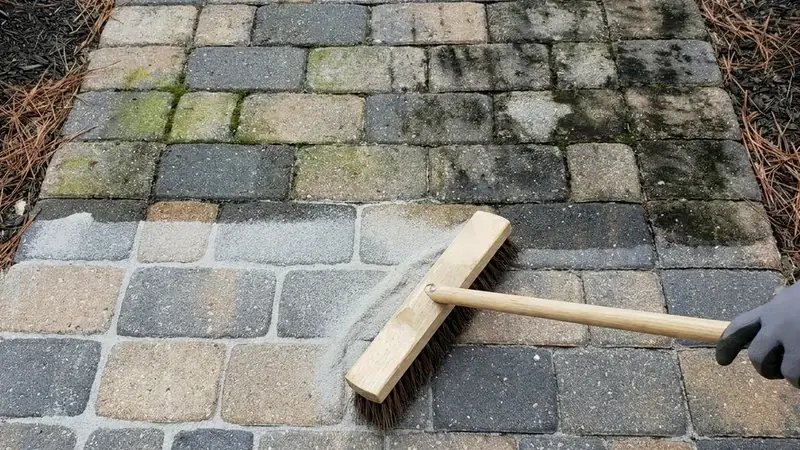
Raised or sunken pavers are lifted and reset before sealing, since a coat only preserves the problem. Then fresh sand goes into every joint and is swept tight. Where roots have pushed an edge up, the area is leveled. This step makes the surface ready to hold a coat. It is also the time to ask how the repairs affect the price.
Let it dry, then seal
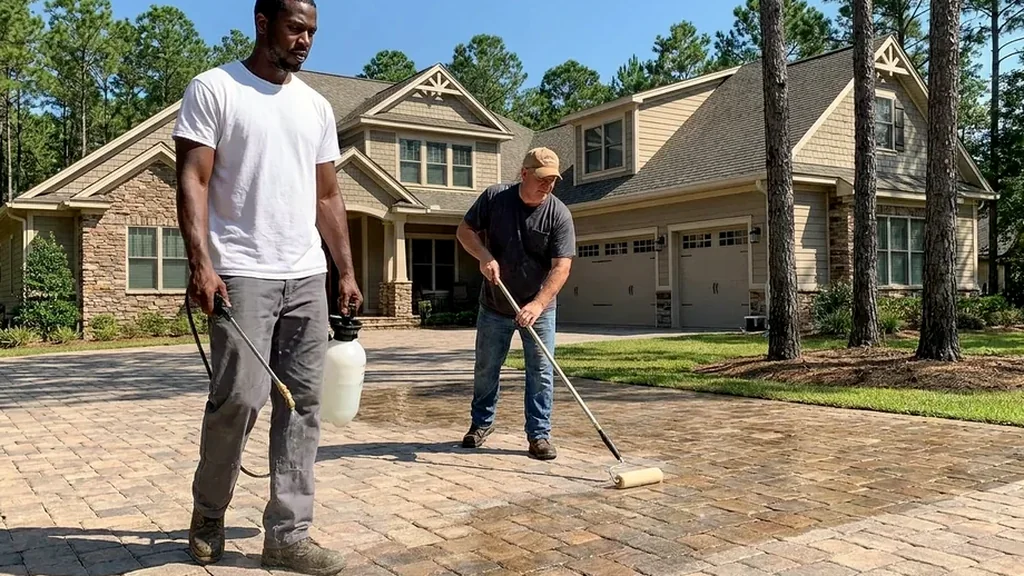
Everything is left to dry fully before sealer goes on, because damp pavers can turn the coat milky. The contractor sprays the sealer and back-rolls it for even coverage and to work it into the joints. Pool decks get a finish chosen with grip and glare in mind. Edges and steps are done by hand, and thin coats keep the finish from turning white or cloudy.
Give it time to cure
Light foot traffic is usually safe after a few hours, with cars kept off for roughly a day. Some owners leave the cars on the street or in the garage for the night. Sprinklers should stay clear of the fresh coat until the contractor gives the all clear. A final walk-through covers care, and the contractor suggests when to check whether water still beads. That check tells you when the next coat is due.
Complete paver services in San Jose
Here is how a San Jose job usually unfolds. The contractor washes off algae, tannin and dirt, lets the pavers dry, fills the joints with fresh sand and applies the sealer last. One page puts the drying time at 24 to 48 hours after cleaning. To plan yours, book your free estimate.
Surfaces here include entry walks, circular drives, pool decks and patios behind Spanish-style homes. Brick, travertine and natural stone are more porous and need different sealer choices than concrete, so the first visit includes a close look at what each surface is made of. The contractor picks a product to match each one. Tell them what you have when you call (904) 966-4279.
Finish is a choice. Matte keeps the natural color and keeps pool glare down, while a wet look deepens the tone but shows scuffs sooner, so think about how the surface gets used. A water-based sealer cannot go over a solvent-based one, so the old coat is identified first. If you want to compare looks, book your free estimate and ask for a sample.
Summer storms and river humidity can delay sealing, so dry days matter. Rain in Jacksonville falls mostly May through September, and one company warns against sealing a damp surface. Fall and winter schedules are easier to plan, since November through April is the driest stretch. Call (904) 966-4279 and ask about the next open week.
Questions to ask before you hire
- Will the sealed pool deck be slippery when wet, and is there a grip additive?
- How long should I keep the sprinklers off before and after the work?
- Will the sealer leave a glossy wet look or a natural matte one, and can I see a sample first?
- Do you replace joint sand that has washed out, or only add a little on the surface?
- Is your quote one price for the job or a price per square foot?
- How long until cars can park on the driveway again?
- How do you check that the pavers are dry before the sealer goes on?
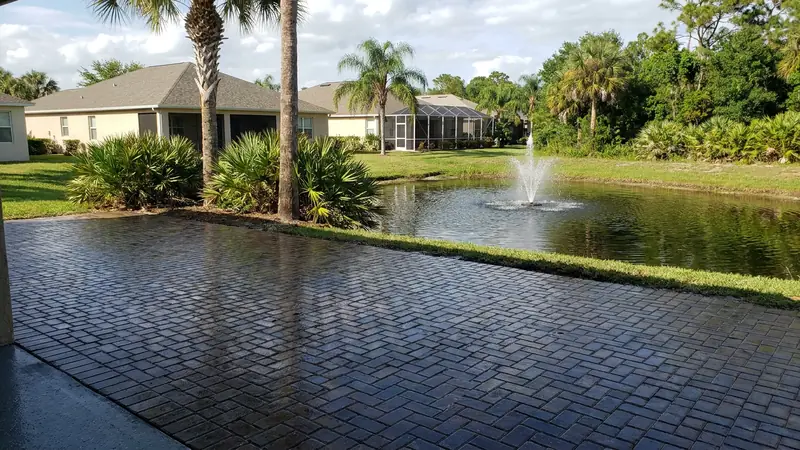
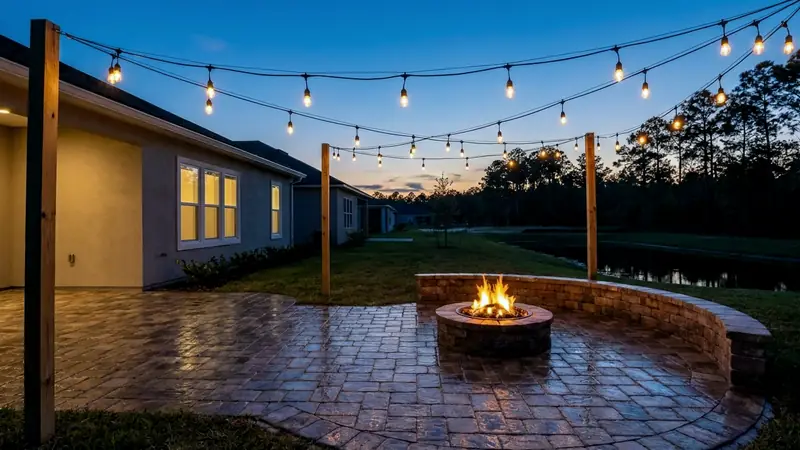
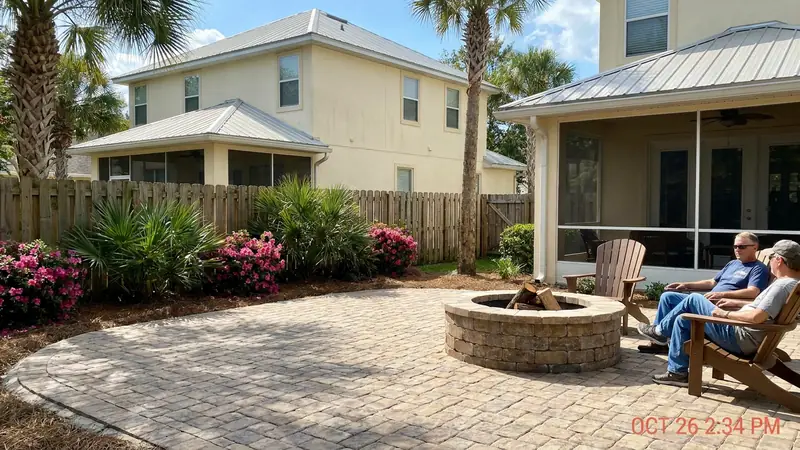
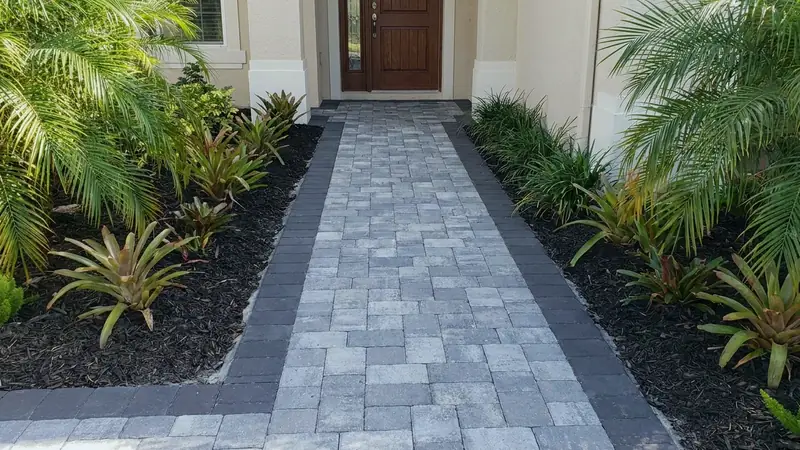
What do sealed pavers look like around San Jose?
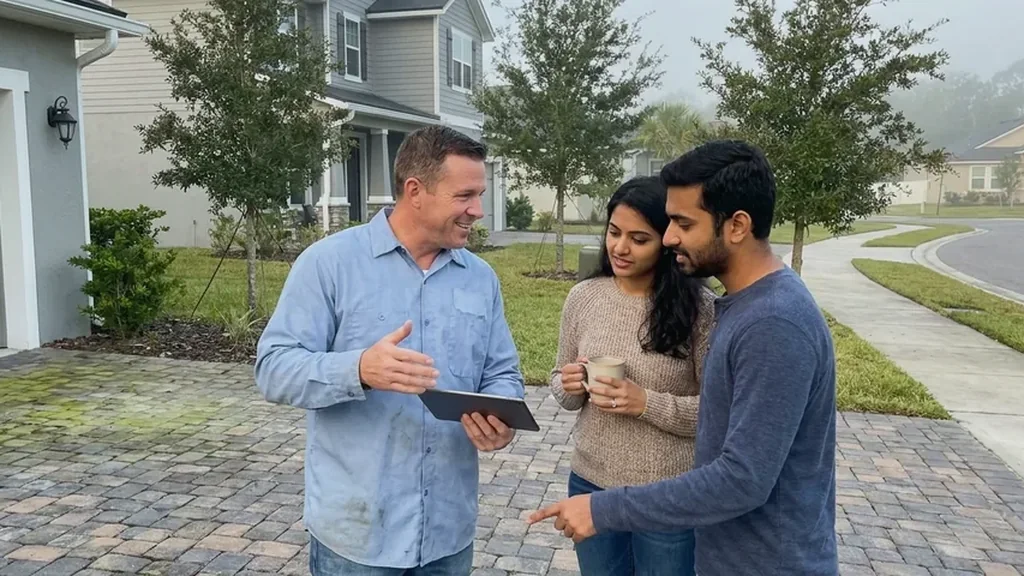
Why local matters in San Jose
The San Jose neighborhood runs along the east bank of the river, and its streets are lined with large oaks. A contractor who works the area knows that shade, tannin and moisture shape every job here. That knowledge helps the plan fit your lot rather than a generic one, and it keeps surprises off the schedule. To discuss yours, book your free estimate.
Homes here range from small wood-frame houses to waterfront mansions, and that mix means widely different pavers. A local contractor sees brick, concrete, travertine and stone often and chooses sealers to match, since the more porous types need different chemistry. Ask about your surface when you call (904) 966-4279, and ask what product is on it now.
Gated communities and associations are common in San Jose. A local contractor expects gate codes, visitor lists and quiet-hour rules, and plans the day around them. That avoids surprises for you and your neighbors, and it keeps the contractor from being turned away at the gate. The estimate is free and carries no obligation, so book your free estimate when you are ready.
Is it useful to hire a contractor who knows San Jose's history?
Yes, because San Jose was planned as a showpiece in the 1920s, and that plan still shapes the lots. Planner John Nolen laid out 1,911 lots with streets named for Spanish cities, and Donald Ross designed the golf course that became San Jose Country Club. Six houses on Via de la Reina joined the National Register in 1985. Near those streets, call (904) 966-4279.
The San Jose Hotel opened on New Year's Day 1926, and The Bolles School has used the building since January 5, 1933. Epping Forest's 1927 mansion became the Epping Forest Yacht and Country Club, and the rest of the estate is now a gated community of about 90 homes and 80 condominiums. Goodbys Creek Preserve on San Jose Boulevard protects 39 acres along the creek that divides San Jose from Mandarin. If you live near these San Jose landmarks, book your free estimate.
Frequently Asked Questions
What is the average cost to seal pavers in San Jose?
Published prices in this region put a full clean, sand and seal at $1.75 to $3.25 per square foot. San Jose jobs vary with shade growth, stains and old sealer, and stripping a failed coat costs extra. Ask that the quote state the square footage, so the total is easy to verify.
How much does it cost to seal outdoor pavers like pool decks and patios in San Jose?
The same published range of $1.75 to $3.25 per square foot covers decks and patios. Pool decks may need a grip-friendly finish, and small patios can cost more per square foot because setup time is spread over less surface. Ask what the price includes, such as sand, repairs and a pool deck finish.
Is it good to seal pavers in San Jose?
Yes, in most cases. Sealing holds joint sand in place, slows fading and keeps oil and leaf stains from soaking in. San Jose's oak shade and humid river air make that protection useful. Sealed pavers are also easier to clean the next time.
What is the average cost to seal pavers on a waterfront San Jose lot?
It follows the same published range, but waterfront lots often have more pavers and more pool or dock-side area. More square feet means a bigger total even at the same rate. Algae from damp river air can add cleaning time, so a quote should name the surfaces it covers.
Can I seal pavers in a gated San Jose community?
Yes, but plan ahead. A Southside paver page warns that a guard gate can cap the hours and vehicles a contractor may bring. Share gate codes, visitor lists and association rules when you book. That lets the contractor schedule around any limits on hours or vehicles.
Do I need approval to seal pavers in a San Jose historic district?
Possibly. Jacksonville requires a Certificate of Appropriateness for exterior work, including driveways, in local historic districts and on landmarks. Check your address on the Land Development Map before you schedule. If it applies, ask city staff what they need to see for a sealer.
Will sealing stop oak stains and moss on San Jose pavers?
It makes them easier to clean, but it does not stop shade. Algae grows where moisture lingers under trees. Existing stains are treated before sealing, since a coat locks in whatever is underneath. Trimming low branches can cut the leaf litter that feeds the problem.
Can old sealer be covered with a new coat?
Not always. Water-based sealer cannot go over solvent-based sealer, so the contractor tests a corner first. Failed old sealer may need to be stripped, which raises the price. If you have the name of the last product, share it at the first visit.
Nearby areas we serve
Ready for a Free Estimate in San Jose?
Call (904) 966-4279 and tell us about your pavers.
Free, no obligation