
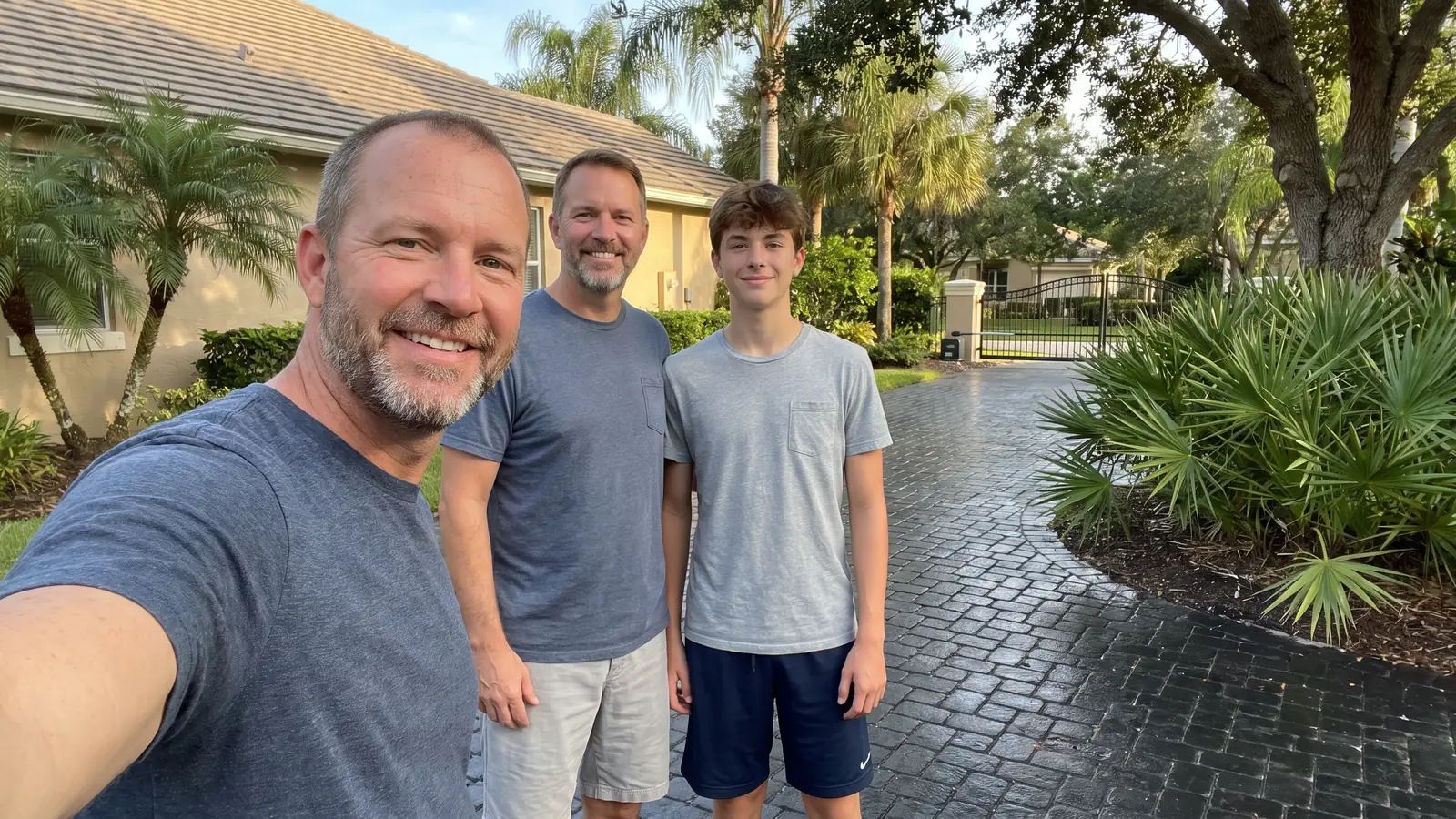
Paver sealing for Westside homes
Paver Sealing in Westside, FL
From Cedar Hills ranch homes to Lake Shore bungalows, call (904) 966-4279 for a free Westside paver sealing estimate.
- Brings out deeper paver color
- Fresh joint sand helps lock pavers in place
- Gives weeds less room to grow
- Makes the surface easier to keep clean
- Free estimate, no obligation
Request a Free Estimate
Free, no obligation.
Fast, careful paver sealing in Westside
Paver sealing is available across the Westside, from the Cedar Hills ranch streets to Lake Shore, Sweetwater and Riverdale Gardens. Driveways, walks and patios get washed, re-sanded and sealed by a local contractor, and the estimate is free. When you are ready to book your free estimate, the answer arrives within 1 business day, usually much sooner.
Maybe the driveway your family has used for years has lost its color, the joints are open and the edge near the garage has dipped. Washing, re-sanding and a new coat make the whole surface read as one. Call (904) 966-4279 and describe yours, and the contractor will explain what the visit covers.
Why hire a local paver sealing contractor in Westside?
Westside homeowners pick a local paver contractor because large lots, creek-side ground and homes from several decades all change the plan. To see how that fits your street, book your free estimate.
Free look at the lot
A local contractor looks at your Westside pavers for free and gives you a price up front.
A range to check bids against
Westside bids can be sized up against the $1.75 to $3.25 per square foot that local companies post for the full job.
Picking a finish
Matte suits a brick ranch quietly. A wet look adds shine but shows tire scuffs sooner on a busy drive.
No obligation
A Westside estimate is free, and the date and the finish stay your decisions.
Get Your Free Estimate in Westside
Tell us about your pavers in Westside.
Free, no obligation
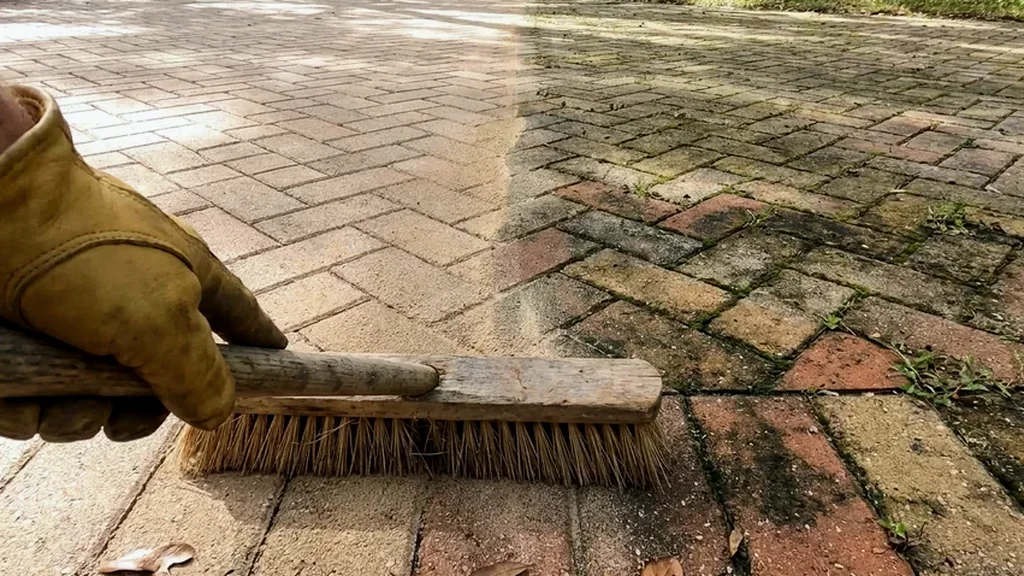
What paver problems show up most in Westside?
Ditches and creek-side ground
Cedar Hills has a large network of drainage ditches and canals, and the Cedar River, which locals call Cedar Creek, runs along its shore. Lots near water can stay damp after a storm. Wet ground breeds green film, and sealing cannot start until it dries. Mention any spot where water stands. If your yard slopes toward a ditch, ask the contractor to look at the low corner for a settled spot before any sealer goes on. A short walk of the lot at the first visit usually answers it. Pavers that stay wet through a long summer rainy spell also pick up algae faster, which a cleaning step removes before sealing. A photo of the spot after a rain helps the contractor plan. Lake Shore sits along the Ortega River and Cedar Creek, and the Marina Mile near Roosevelt Boulevard has long held marinas and boat repair shops, so water is part of daily life there.
Sand that leaves the joints
Duval County's ground is sandy, and the USDA describes the Ortega soil series, first described in this county, as fine sand reaching past 80 inches. Jacksonville also gets about 52 inches of rain a year, much of it in short, hard storms. When joints lose sand they widen and soil moves in, which means weeds follow. Heavy rain can also carry loose sand toward the street, so the edges of a long drive are worth a second look. Fresh sand goes in after the wash, and the surface is swept clean again. Washing alone pulls sand out as well, so replacing it is part of every sealing job.
Drives that were added or widened
Cedar Hills was built in the 1940s and 1950s, and many homes along the river have been greatly expanded or replaced. A drive or patio added later can sit on a different base than the original. Pavers laid at different times may fade at different rates, so a contractor checks each section. A visible line between old and new sections is common after an addition. Sealing both at once evens out the look, though the older section may need more cleaning first and may drink more sealer. Many homes along the Cedar River have been expanded or replaced with much larger ones, which can leave a newer driveway beside an older walk.
A coat from an earlier owner
Westside homes have changed hands many times since the 1950s, so the person who sealed the pavers may be long gone. Where a solvent-based coat is down, a water-based one cannot go on top. The contractor needs to work out what is on the surface before choosing a product, and peeling spots are a clue. If you bought the home recently, ask the seller or your inspection report for any notes about the pavers. Even a product name helps, and the contractor can test a small area to learn more. Even a partial product name from an old receipt narrows things down. Jefferson Davis Middle School dates to 1961 and Cedar Hills Elementary to 1956, a reminder of how many of these homes are now old enough to have had several owners.
Sun that fades unsealed color
A Jacksonville paver company says the sun fades unsealed concrete pavers within three to five years. Wide front setbacks and open yards leave long driveways in full sun for most of the day. A sealed surface protects the color, though it needs a new coat every few years. Color enhancing sealer brings back depth in faded pavers, while a natural finish keeps the look as it is today. Ask to see a sample on a small spot before you decide.
Which Westside neighborhoods can get paver sealing?
All of them. The Westside covers the area west of Downtown and the St. Johns River out to about I-95, and ZIP 32254 alone has more than 14,000 residents, about 89 percent of them in single-family housing. Cedar Hills, Sweetwater, Lake Shore, Normandy and Argyle are among the places sometimes counted in it. Tell the contractor your street when you book your free estimate.
Cedar Hills has about 3,000 single-family homes, mostly brick or concrete block ranches on large lots with wide setbacks. Sweetwater, now surrounded by Cedar Hills, was built mostly from 1949 to 1953 and has streets named for Luke, Matthew and Mark. Lake Shore has Spanish Colonial estates, postwar bungalows and mid-century homes. Call (904) 966-4279 and say which style is yours.
Brick and block walls sit close to many walks and drives here. Rinse water and cleaner can stain them, so the contractor keeps runoff away from the house. Ask how the crew protects the walls and the landscaping where the pavers meet the lawn. When you are ready, book your free estimate and mention what your house is built from.
What does paver sealing cost in Westside?
Around Jacksonville, companies list $1.75 to $3.25 per square foot for clean, sand and seal work, with stripping of a failed coat priced higher by one company. Large Westside lots can mean long drives, and long drives add up by area even at one rate. For a figure on your pavers, book your free estimate.
Prep drives much of the cost. One company says prep takes two to three hours for each hour of sealing. Reset work, stain treatment and joint sand add to it. Call (904) 966-4279 with the area and any problems you see, and the contractor can estimate where you will land.
| Paved area | Typical example | Clean, sand and seal |
|---|---|---|
| 300 sq ft | Small patio or walkway | $525 to $975 |
| 600 sq ft | Two car driveway | $1,050 to $1,950 |
| 1,000 sq ft | Large driveway or pool deck | $1,750 to $3,250 |
| 1,500 sq ft | Driveway plus pool deck | $2,625 to $4,875 |
Math based on the $1.75 to $3.25 per square foot that Northeast Florida paver companies published as of November 2026. Your contractor sets the actual price after seeing the surface. Repairs, leveling and stripping failed sealer are usually extra.
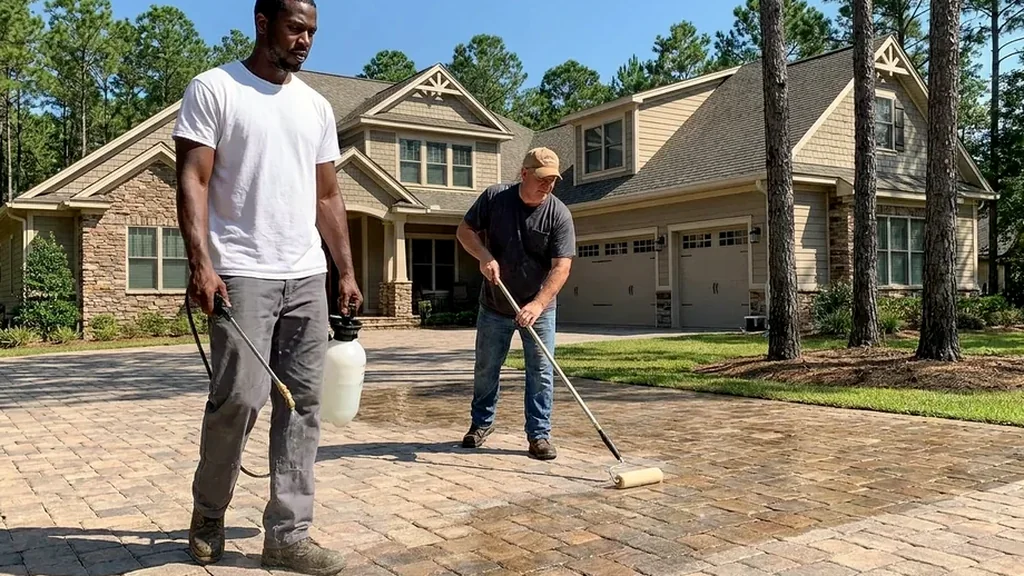
How does a paver sealing job work in Westside?
Read the lot
The contractor checks how water leaves your Westside pavers, where the ground stays soft and where a section has dipped. A widened drive gets a close look at the seam. Whatever coat is on there gets identified before anything new goes down. A few pictures of the drive and walk let the contractor give a firmer first answer. A street name and the nearest cross street, such as a Cedar Hills road, help the contractor plan the visit.
Wash it all
Green film from damp edges, dirt from the garage apron, rust and oil all come off in the wash. Brick and block walls beside the walk are shielded from rinse water. Stubborn marks are treated before anything is sealed over them. Walks next to a ditch edge often need the longest wash.
Lift, reset, refill
Pavers that sank or rose are taken up, the base is rebuilt and they go back level. Fresh sand then fills the joints, and the surface is swept. On Duval County's sandy ground, open joints take in soil quickly. Cedar Hills streets form a grid with ditches and canals nearby, so the crew checks where runoff goes before it sweeps sand into place.
Let it dry
Sealer needs a dry surface. Rain here is heaviest from May to September, and ground beside a creek can stay wet long after. The contractor watches the forecast and moves the job rather than coat damp pavers.
Coat and keep off
The sealer goes on by spray and is back-rolled into the joints. A Jacksonville company says to walk on it after a few hours and drive on it after about a day. Local quotes for the gap between coats span two to five years.
Complete paver services in Westside
A Westside job runs in sequence: check for settled spots, wash, re-sand, dry, seal. The coat goes last so dirt and green film are never buried under it. Long drives take longer than short ones. For your timeline, call (904) 966-4279.
Drives take daily tires, walks take feet and back patios take shade. Each surface wears differently and may need its own prep. Name each one you want sealed when you book your free estimate, so the quote shows every line.
Water-based and solvent-based sealers are both used, in natural or enhanced finishes. Whatever is already on the pavers decides which can go on. A wet look deepens color but shows scuffs in the drive lanes sooner, while matte hides them better. Call (904) 966-4279 to talk through your finish.
Weather drives the calendar. Storms are heaviest from May to September, and the driest stretch runs from November through April. A contractor may offer a window instead of one fixed day. To pick yours, book your free estimate and say which days you are home.
Questions to ask before you hire
- Is your quote one price for the job or a price per square foot?
- Do you replace joint sand that has washed out, or only add a little on the surface?
- What kind of weather is too hot or too humid for sealing in Florida?
- How long should I keep the sprinklers off before and after the work?
- How do you protect my plants, my landscape lights and the base of the house?
- Can you seal the driveway now and come back for the pool deck later?
- What happens if a summer storm rolls in halfway through the job?
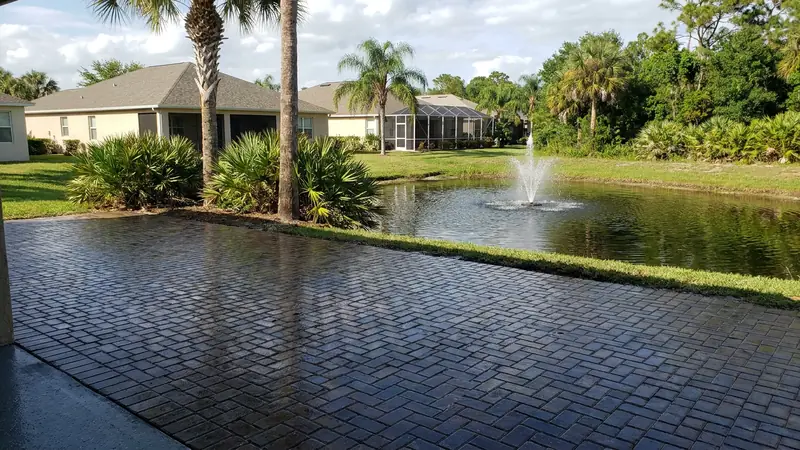
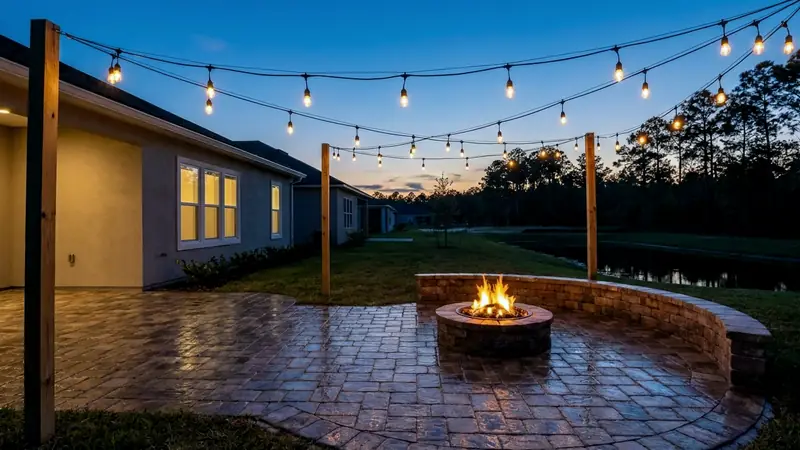
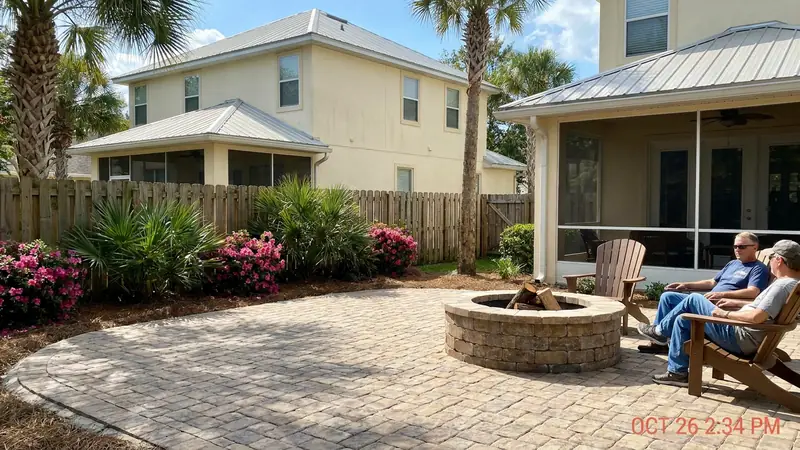
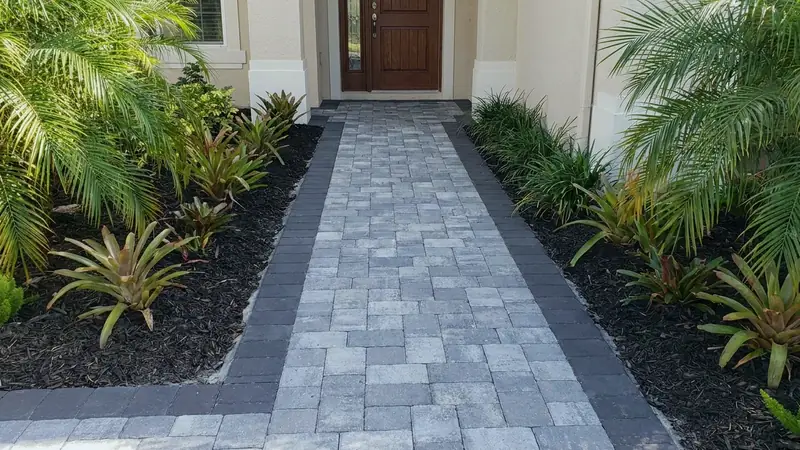
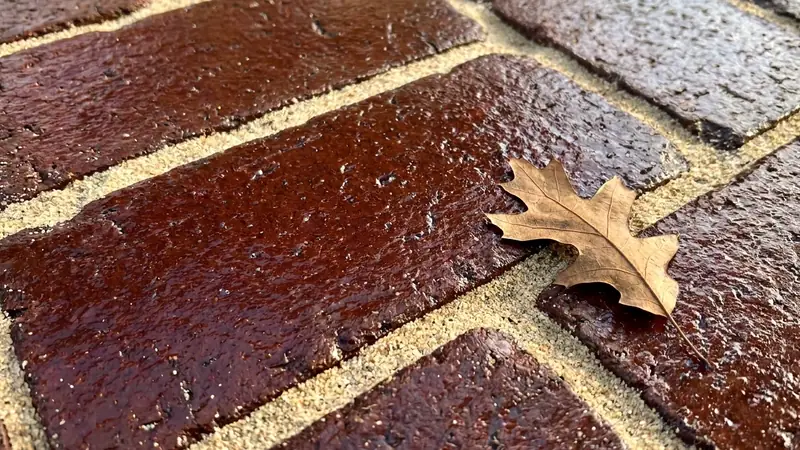
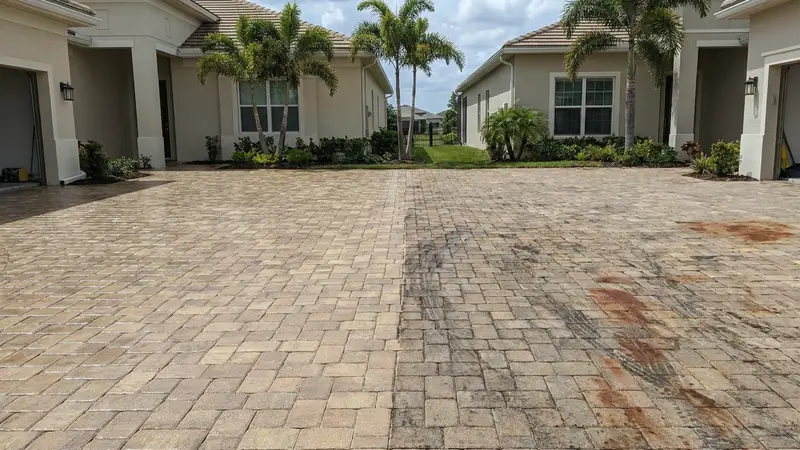
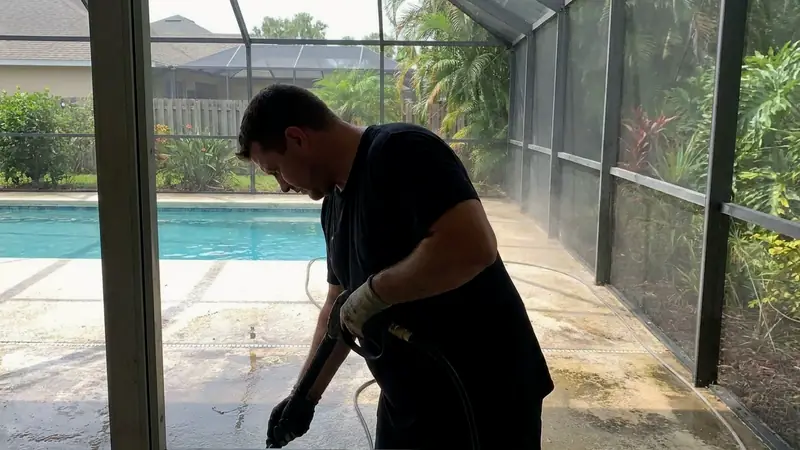
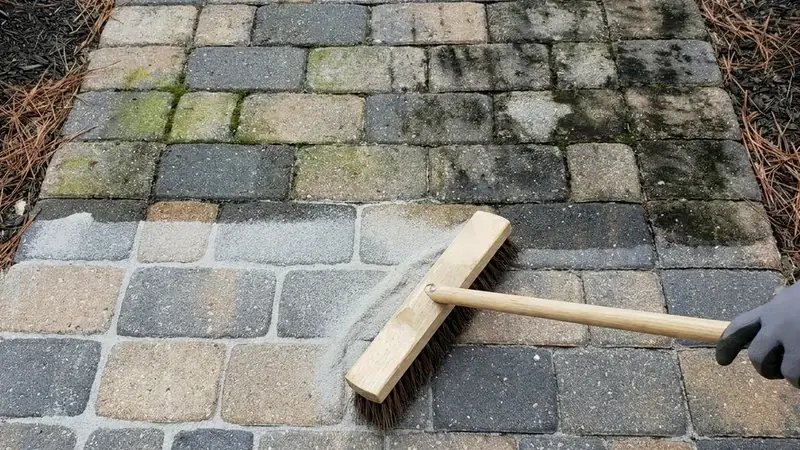
What do sealed pavers look like around Westside?
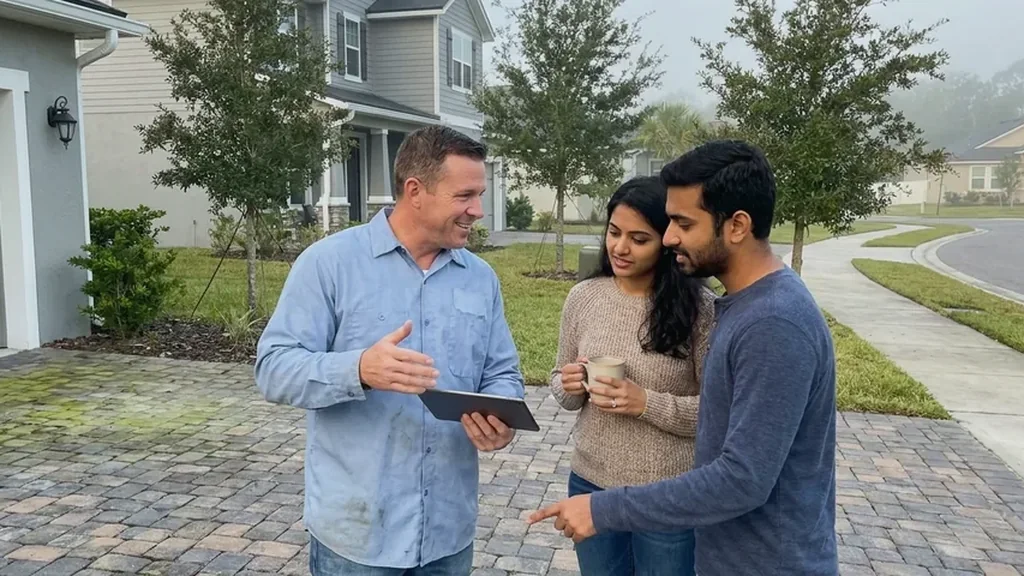
Why local matters in Westside
A contractor who works the Westside knows how different the neighborhoods are. A Cedar Hills ranch, a Sweetwater home and a Lake Shore bungalow each call for different prep. Asking about your street first saves a second trip. If you want a contractor who knows these streets already, call (904) 966-4279.
Water matters here too. Cedar Creek, McGirts Creek and the drainage ditches in Cedar Hills all shape how fast a yard dries. A contractor from this side of the river checks low corners before naming a date. If your lot backs up to water, book your free estimate and mention it.
Local contractors also understand the housing stock. Many homes date from the 1940s to the 1960s, and many have been remodeled since. That leaves pavers of different ages in one yard. Call (904) 966-4279 with your street and the year your home was built, and ask how the contractor handles mixed ages.
How did the Westside grow around the Navy base and the creeks?
Naval Air Station Jacksonville was commissioned on October 15, 1940, and Riverdale Gardens, along Riverdale Road, was platted in 1941 to ease a housing shortage for Navy officers. Cedar Hills and Sweetwater filled in during the 1940s and 1950s. If your home dates from those years, book your free estimate.
Cedar Hills Shopping Center opened in 1955 and Cedar Hills Elementary in 1956. Roosevelt Mall opened in 1961, and the Marina Mile on Lake Shore Boulevard has long held marinas and boat repair shops. Cedar Hills Park, renovated in 2002, is a regional park in the area. If your street is close to one of these, call (904) 966-4279 and say which.
Frequently Asked Questions
Is it good to seal pavers on the Westside of Jacksonville?
Yes, and long Westside drives in full sun show the fade first. Unsealed concrete pavers lose color to the sun in three to five years, says a Jacksonville company, and storms wash sand from their joints. Sealing eases both problems and lets stains rinse off sooner. Long drives in full sun gain the most, because color fade shows over a large area.
How long do paver sealers last on the Westside?
The usual company quote is two to five years per coat. A Jacksonville company says shaded walks with light traffic go about 24 to 36 months between reseals. Water that soaks in fast instead of beading means the coat has worn. A drive with daily tires and full sun may land near the short end, while a shaded back patio can last longer.
Why is paver sealing so expensive on the Westside?
Most of the cost is prep. Washing, sanding and drying come first, and one company counts two to three hours of that for each hour of sealing. Washing, joint sand and drying time all come first, and long drives add area. A larger Westside lot adds area on top of that prep, so the total grows with every extra square foot.
What does it cost to seal pavers on the Westside?
Companies across Jacksonville post $1.75 to $3.25 per square foot for the wash, the sand and the seal. A Westside price depends on area, stains and whether an old coat has to be stripped. Ask that the quote list the total area. Stripping a failed coat costs more, so check whether the quote assumes a straight seal.
Can a Westside driveway that has sunk be sealed?
Repairs come first. Sealing preserves any sunken or lifted section, a Jacksonville company says, so those pavers are reset on a fresh base before the wash. Sinking often traces to washed-out sand and water moving under the surface.
Can pavers beside a Cedar Hills creek or ditch be sealed?
Yes, after a thorough wash and plenty of dry time. Soft ground near a ditch or creek may mean a longer wait, so point out any spot where water stands.
Does a brick ranch need extra care during paver cleaning?
Yes. Masonry walls can pick up stains from cleaner and splash, so crews aim runoff away from them and rinse the base of the wall afterward. Name the wall material when you call, and ask how the crew shields it.
Can I seal only part of my Westside driveway?
Often yes, but the color may not match the rest. Sealer deepens the color of the pavers it covers, so a half-sealed drive can show a line. Many owners seal the whole surface at once. Ask the contractor what edge would look cleanest.
What should I have ready when I call about paver sealing on the Westside?
Your street, the size of the area if you know it, and what you see: faded color, weeds, sunken spots or stains. Mention any shared walls, gate rules and how close water comes. That lets the contractor give a closer first answer and book a visit.
Where does the Westside start and stop for a paver contractor?
The Westside covers the area west of Downtown and the St. Johns River, roughly out to I-95, and it includes places such as Cedar Hills, Sweetwater, Lake Shore, Normandy and Argyle. ZIP 32254 alone counted 14,545 residents in 2020. If your street is anywhere in that area, you can request an estimate.
Nearby areas we serve
Ready for a Free Estimate in Westside?
Call (904) 966-4279 and tell us about your pavers.
Free, no obligation