
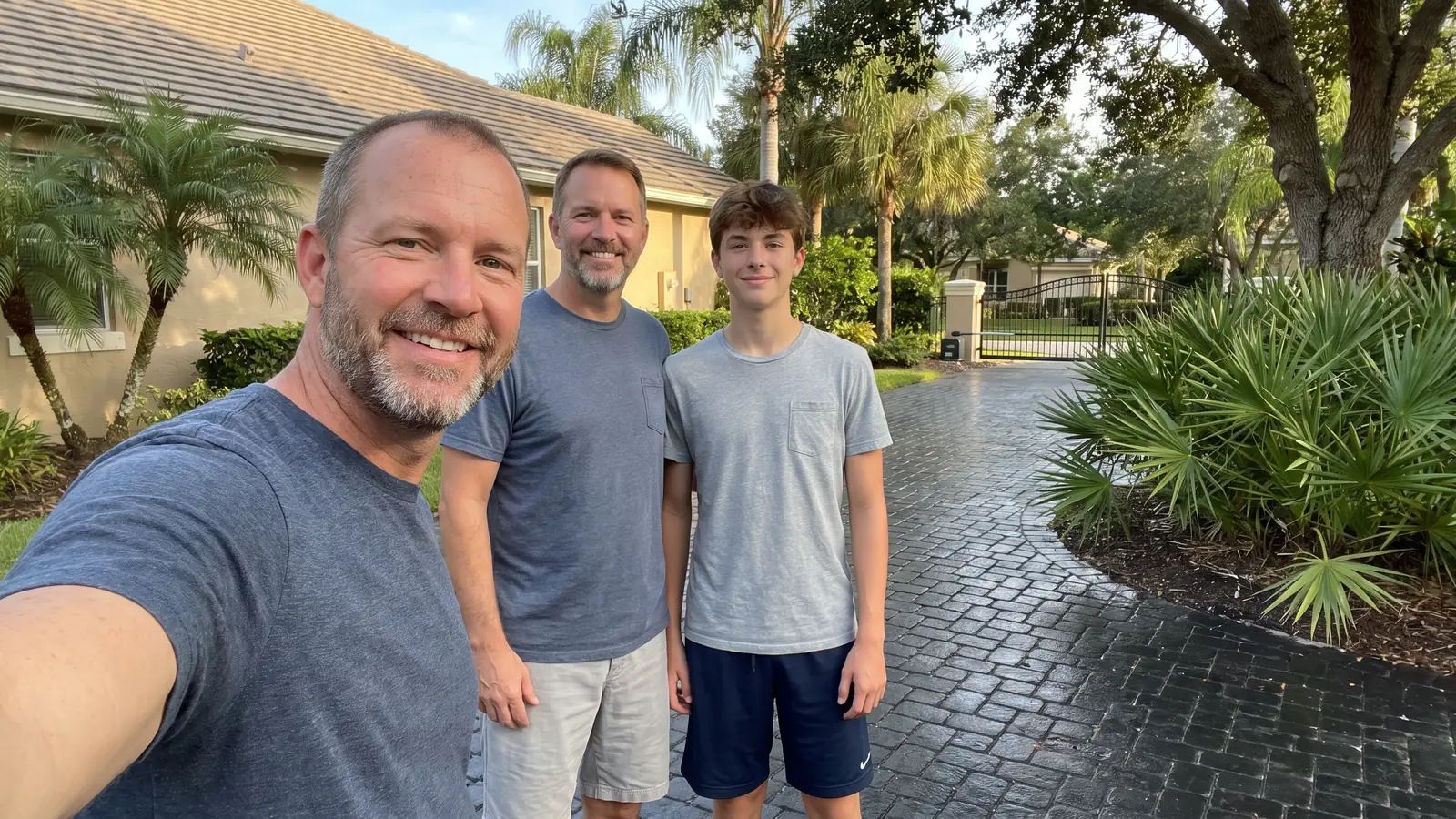
Paver sealing for Northside homes
Paver Sealing in Northside, FL
Northside runs from Jacksonville International Airport to the Trout River, so call (904) 966-4279 for a free paver sealing estimate.
- Brings out deeper paver color
- Fresh joint sand helps lock pavers in place
- Gives weeds less room to grow
- Makes the surface easier to keep clean
- Free estimate, no obligation
Request a Free Estimate
Free, no obligation.
Fast, careful paver sealing in Northside
Paver sealing in Northside is available from the airport side to the Trout River, and a local contractor gives a free estimate. You will have an answer within 1 business day, and usually it comes much sooner. To book your free estimate, tell the contractor which part of Northside you live in.
Say you walk out to a driveway that has lost its color, with weeds standing in the joints and a dark patch where water sits. After a wash, fresh sand and a new coat, the pavers go back to one steady tone and the weeds have less to grip. Call (904) 966-4279 to describe yours, and the contractor can explain what the job would involve.
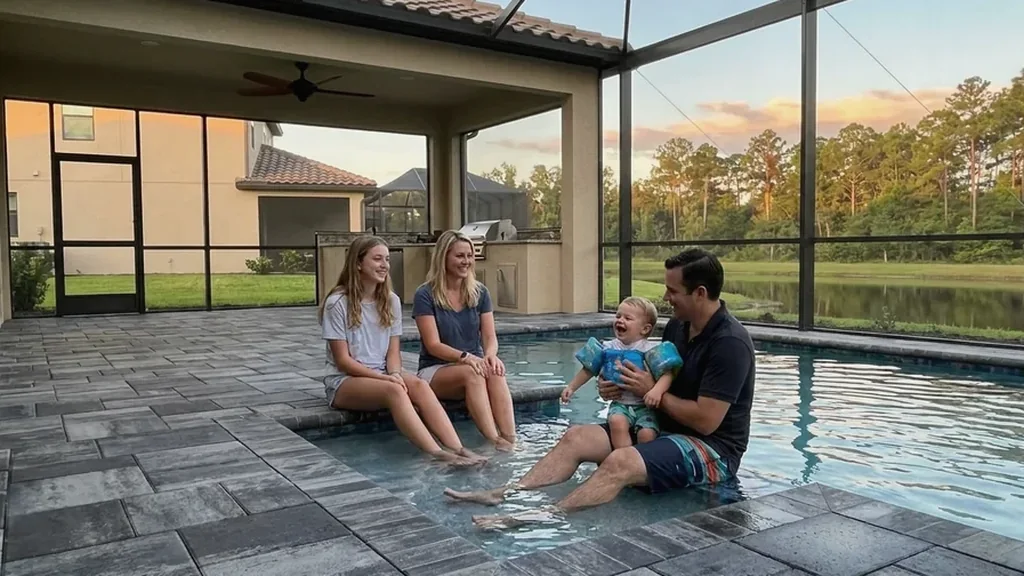
Why hire a local paver sealing contractor in Northside?
Northside is big, and a driveway in a new Pecan Park street needs different care than one beside the Trout River. A local contractor sorts that out at the first visit, so book your free estimate and mention your neighborhood.
A visit at no charge
The contractor looks over your Northside property and names a price. You agree to nothing by asking.
What shapes your quote
Pavers' age, joint condition and any old coat set the number. The contractor measures first and explains each line.
Help with new or old pavers
A new Pecan Park drive may need to wait for its first coat. An older drive may need its old sealer identified first.
Your date, your finish
You pick the day and the look. Asking for a Northside estimate puts you under no obligation.
Get Your Free Estimate in Northside
Tell us about your pavers in Northside.
Free, no obligation
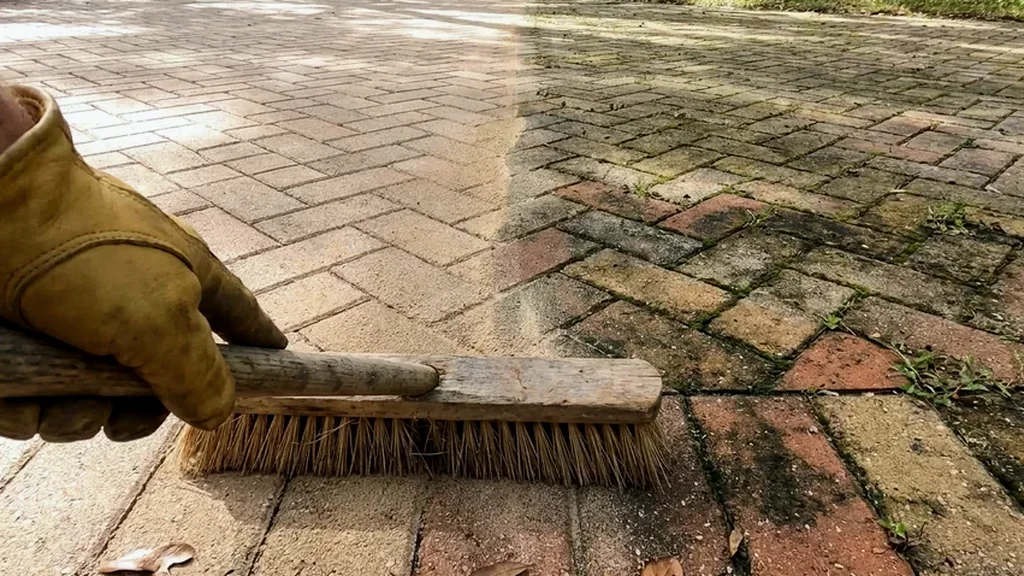
What paver problems show up most in Northside?
A first coat that has to wait
KB Home is building Seaton Hollow in the Pecan Park area, and a city committee recommended 650 more single-family homes along Pecan Park Road. A Jacksonville paver company says new pavers should wait 30 to 60 days before the first coat. Sealing too early can trap haze. If your drive is new, the contractor will tell you when it is ready. Until then the joints can still be topped up with sand, and the surface can be kept clean. A short wait now means a clearer finish for the years after it, which is the point of the whole job. Ask your builder or paver installer for the install date so the count starts from a real day.
Humid air near the Trout River
The Trout River lies entirely within the Northside, and its lower section is brackish. Low ground and open water keep the air damp, so shade patches grow green film. Moss and algae should not grow on pavers unless the area is heavily shaded, one landscape guide says. Where your driveway stays damp, the green comes back sooner after cleaning. That does not mean sealing is wasted there. A coat helps keep dirt and growth from soaking in, which makes the next wash easier. It also helps to tell the contractor which side of the house stays wet, so that area gets extra rinse and a longer dry time before the sealer goes on.
Flooding that left silt behind
A News4Jax meteorologist said Hurricane Irma in 2017 backed up the St. Johns River's tributaries and flooded the Trout River, with neighborhoods underwater for weeks. Water like that leaves silt and damp sand in the joints. Sealing over that mix traps it. If your lot has ever taken water, mention it so the wash can be planned. On any lot, the low corners are where silt settles. A contractor who has seen flooded pavers will look there first. Joints that feel packed with mud rather than sand need to be dug clean, then refilled.
Sandy ground that drains away
The USDA describes the Mandarin soil series in Duval County as a somewhat poorly drained fine sand. Jacksonville also gets about 52 inches of rain a year, mostly from May to September in short, hard downpours. Joint sand moves in that kind of rain. When joints open up, weeds and ants move in, so new sand goes in before any coat. Sand also helps the pavers lock together, which means fewer rocking edges under a car tire. When the sand level is back up, the sealer has something solid to stabilize. That is why the sand step comes before the sealer step every time.
Rust marks from well water
The University of Florida says most Florida well water is high in iron and that irrigating with it can leave orange stains. Some Northside homes run sprinklers off a well. Look for rust-colored lines where the spray lands. Those marks need attention before sealing, because a coat would hold them in place. If you have a well, ask how your sprinkler heads are aimed. Moving the spray off the driveway helps keep new rust marks from forming after the work is done. The contractor can point out which spots on your pavers are most likely to show new stains.
Which part of Northside are you in, and does it change the job?
It can, because Northside covers a lot of ground. Wikipedia names Highlands, Pecan Park, Garden City, Lake Forest, San Mateo and Oceanway among its neighborhoods. Older streets tend to have older pavers with unknown coats, and newer streets have young pavers that may need a wait. When you book your free estimate, name your neighborhood and the year your home was built.
Pecan Park is the busiest area for new homes. A committee recommended approval of 650 single-family homes on 344 acres along Pecan Park Road, east of Interstate 95 near the airport. The City Council also approved money for Pecan Park Road and Dunn Avenue in January 2026. If your home is among the newer ones, call (904) 966-4279 to ask when the first coat makes sense.
Northside lots near the Trout River have their own concerns, since the lower river is brackish and storm water rises into low yards. Garden City and Lake Forest sit away from the river but still share the same heavy summer rain. HOA streets add rules, and one Jacksonville company says to check street parking rules while cars stay off a fresh coat. Once you know your rules, book your free estimate.
What does paver sealing cost in Northside?
Around Northeast Florida, clean, sand and seal is commonly priced at $1.75 to $3.25 per square foot. On a Northside lot, the number moves with the age of the pavers, the state of the joints and whether an old coat has to come off. For a figure based on the square footage of your pavers, book your free estimate.
Per square foot, a smaller job costs more, because prep time stays about the same as the surface shrinks. White, hazy or flaking sealer from a past job must be stripped first, one cost guide says, and stripping adds to the total. A wide driveway beside a pool deck means more area. Call (904) 966-4279 to learn which of these factors reach your Northside lot.
| Paved area | Typical example | Clean, sand and seal |
|---|---|---|
| 300 sq ft | Small patio or walkway | $525 to $975 |
| 600 sq ft | Two car driveway | $1,050 to $1,950 |
| 1,000 sq ft | Large driveway or pool deck | $1,750 to $3,250 |
| 1,500 sq ft | Driveway plus pool deck | $2,625 to $4,875 |
Math based on the $1.75 to $3.25 per square foot that Northeast Florida paver companies published as of November 2026. Your contractor sets the actual price after seeing the surface. Repairs, leveling and stripping failed sealer are usually extra.
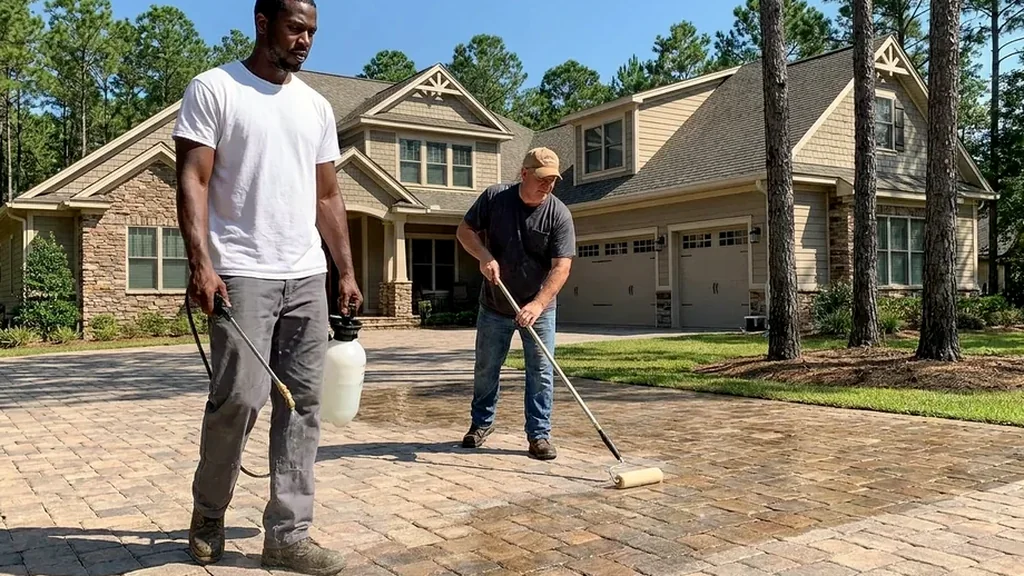
How does a paver sealing job work in Northside?
Find out how old the pavers are
The contractor starts by asking when the pavers went in. A new Northside drive may be inside the 30 to 60 day window before a first coat, and an older one may carry a coat nobody remembers. Because water-based sealer cannot go over solvent-based sealer, the old product has to be identified first. Low or lifted spots are marked for repair, since a coat locks in whatever lies beneath it.
Wash away green film, dirt and stains
The surface is cleaned to remove green growth, tire marks and any silt left from storm water. Rust marks from iron-heavy irrigation get a closer look here. Washing also pulls sand out of the joints, which sets up the next step. The aim is a clean, bare surface that the sealer can grip evenly. If a stain will not come out, the contractor tells you before the coat, so the result is not a surprise.
Replace the joint sand
New sand goes into every joint and gets swept level. On the sandy ground across Duval County, joints empty out quickly after a hard storm. Packed joints lock the pavers together, and weeds find little room to start. Extra sand is swept clear so it does not sit under the coat. A final sweep after the surface dries leaves a smooth finish across the whole drive.
Let it dry, then check the sky
Sealer needs a dry surface, and Jacksonville's rain is concentrated from May to September in brief, heavy bursts. A shaded Northside walk can stay damp after the sunny drive has dried. The contractor watches the forecast and waits instead of coating a wet paver. Waiting protects the finish and keeps it clear. A coat laid on a damp surface can turn cloudy, and that is hard to fix without stripping.
Apply the coat and plan the stay-off time
Sealer is sprayed on and back-rolled so it reaches into the joints. Per one Jacksonville company, people can walk on it within hours while cars wait about a day. A glossy wet look will show tire scuffs earlier than matte. Quotes commonly allow two to five years before the next coat, so ask where your drive might land. A busy family drive with daily tires may need its next coat sooner than a quiet side walk. Write the date of the coat on a calendar, so you know when to schedule a look.
Complete paver services in Northside
A job on the Northside runs in order: wash, sand, dry, seal. Green film and storm silt come off first, and fresh sand goes into the joints before the sealer. No step is skipped, because each one sets up the next. Call (904) 966-4279 to hear how long it would take on your lot.
Driveways, walks, patios and pool decks all wear in their own ways. Tires and street water hit the drive, while a shaded patio near trees stays damp and grows algae. A young Pecan Park drive may need only a light clean and a first coat. When you book your free estimate, say which surfaces you want done.
Pick the product first: water-based or solvent-based, since the first cannot go over the second. Matte keeps pavers looking natural, while a wet look brings out color and shows scuffs sooner. A family driveway that sees tires every day is often easier to live with in matte. Call (904) 966-4279 and ask about both.
Most of Jacksonville's rain falls from May to September, so timing matters. The contractor may move your date to find a bright, dry stretch. Cars then stay off the driveway for about a day. To start choosing a date, book your free estimate.
Questions to ask before you hire
- Does the price include the pressure washing, or is that a separate line?
- How do you protect my plants, my landscape lights and the base of the house?
- What kind of weather is too hot or too humid for sealing in Florida?
- How do you check that the pavers are dry before the sealer goes on?
- What do you do about pavers that have sunk or shifted along the edges?
- How long until cars can park on the driveway again?
- Will the sealed pool deck be slippery when wet, and is there a grip additive?
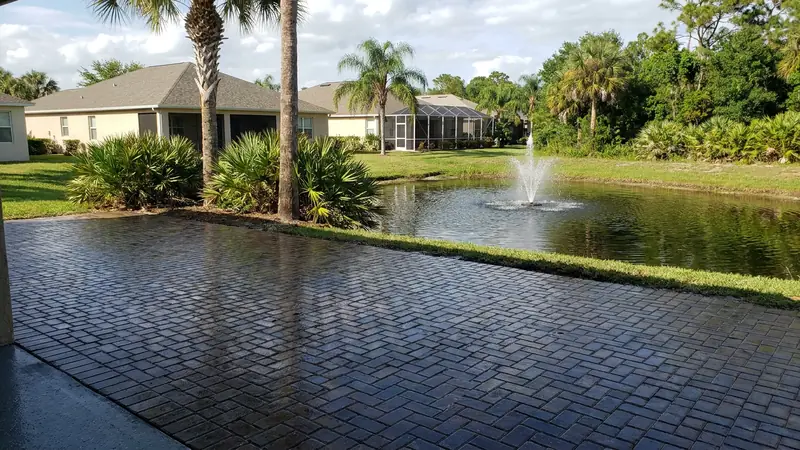
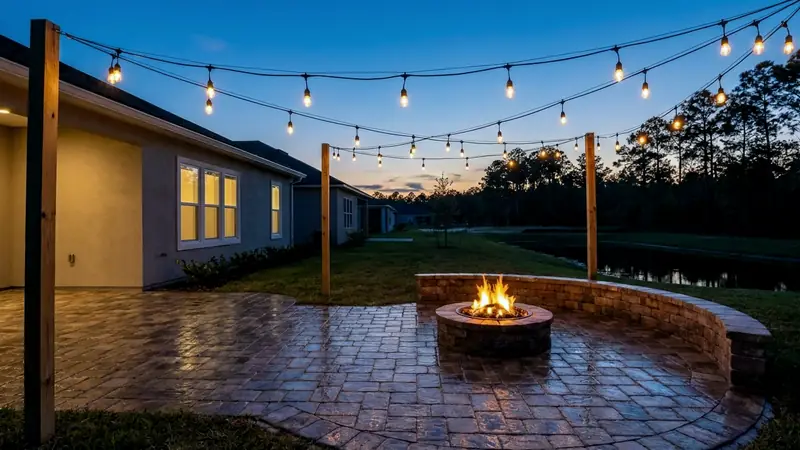
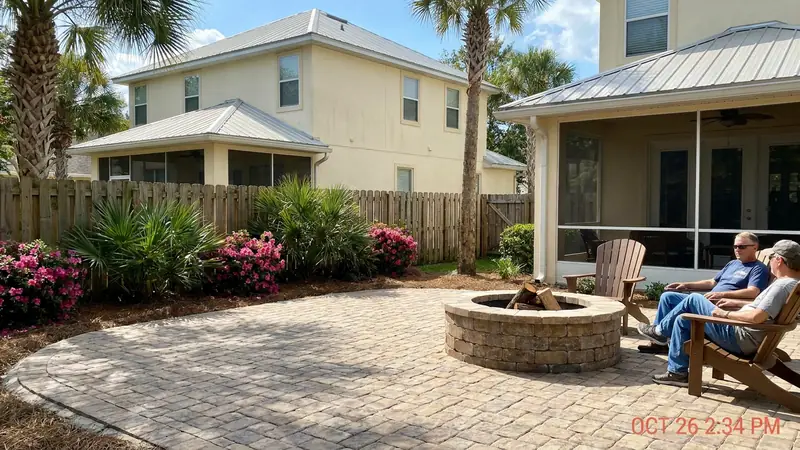
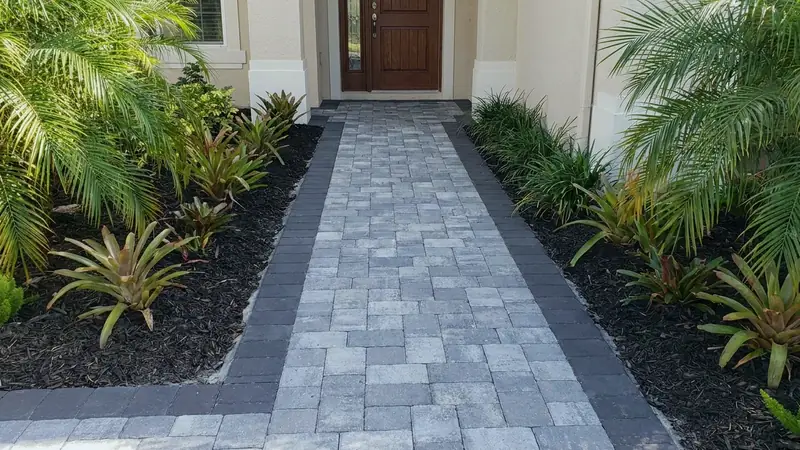
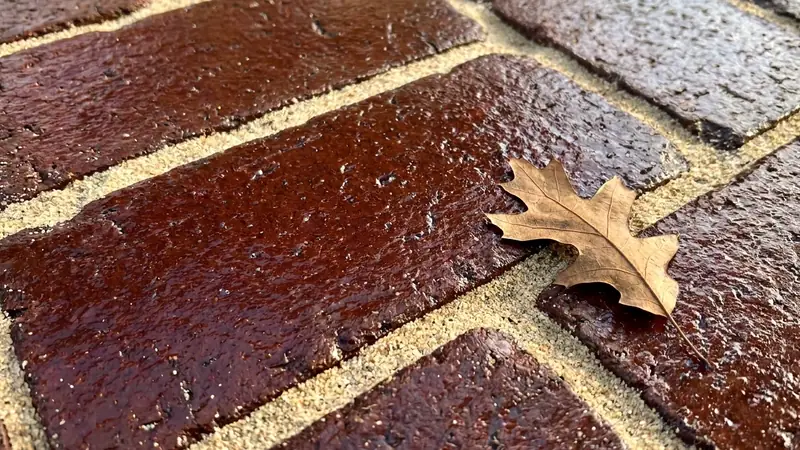
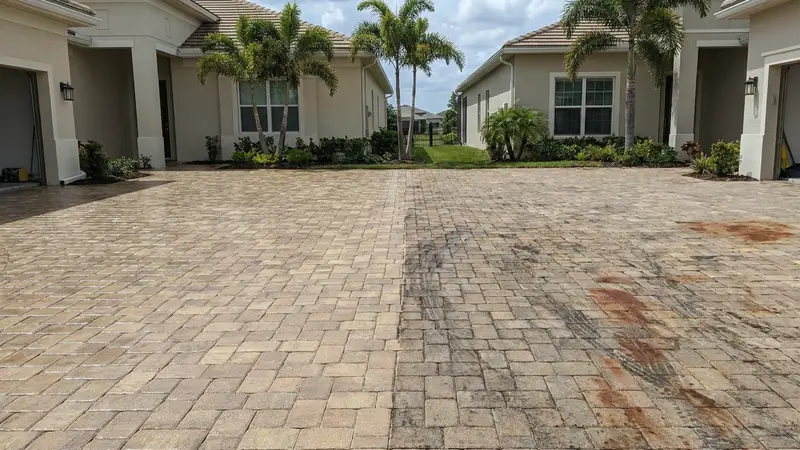
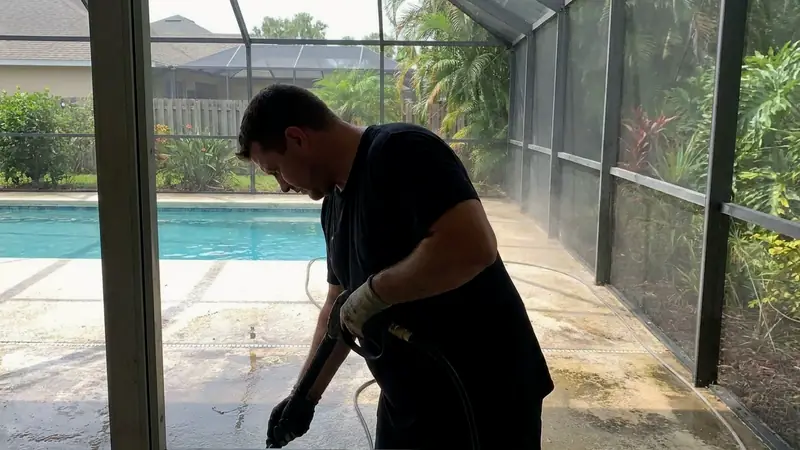
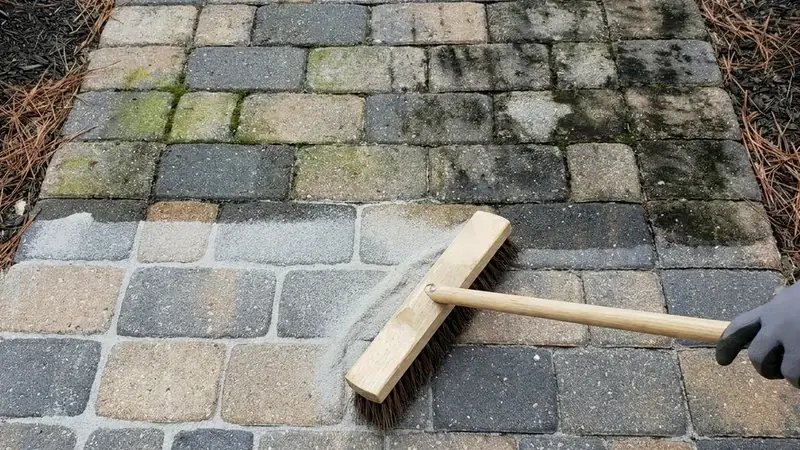
What do sealed pavers look like around Northside?
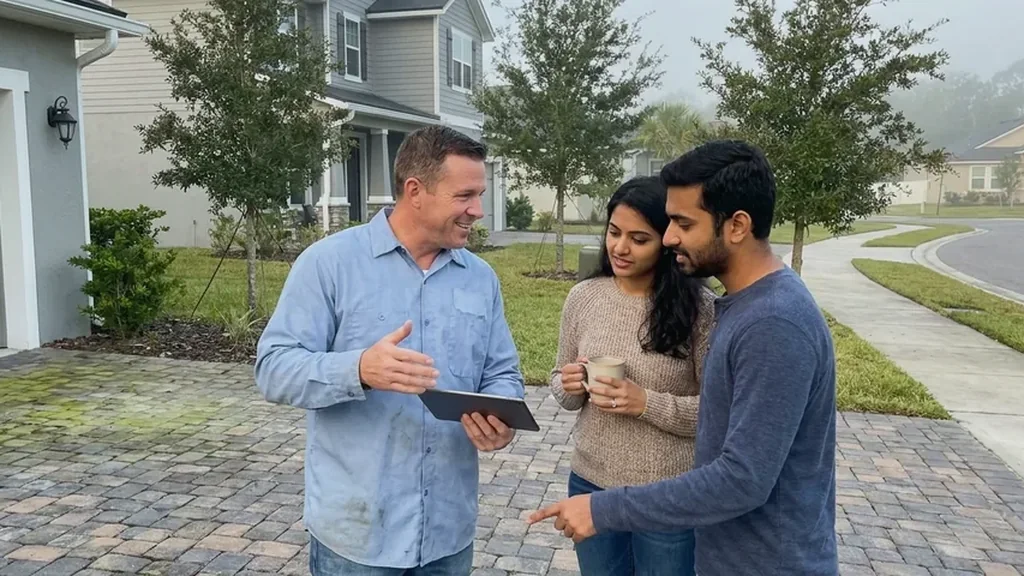
Why local matters in Northside
Northside spans a huge area, and pavers differ from end to end. Pecan Park has new streets going in, while Garden City and Highlands are far older. A contractor who works here asks how old your pavers are first. Call (904) 966-4279 to reach one who does.
Irma in 2017 flooded the Trout River and other tributaries, leaving neighborhoods underwater for weeks, and the river's lower section is brackish. A contractor who has worked near it checks joints for silt. To ask how a job is planned for low ground, book your free estimate.
Weather is the third piece. Jacksonville's rain runs heavy from May to September, so a local contractor keeps a flexible schedule and a close eye on the radar. That patience is what keeps sealer from going on a damp surface. Call (904) 966-4279 and ask what happens when rain interrupts the work.
What is the Northside area like for a homeowner?
Northside joined the consolidated City of Jacksonville in 1968, the same year Jacksonville International Airport was dedicated. The airport replaced Imeson Field, and the earlier municipal airport opened in 1927 off North Main Street. River City Marketplace, a 125-acre shopping district, opened east of Interstate 95 in 2006. If you live near any of these, book your free estimate.
The Jacksonville Zoo moved to a 37.5-acre site on the Trout River off Heckscher Drive in 1925. That river runs 20 miles and sits entirely inside Northside. For a sealing estimate anywhere between the airport, the zoo and the Trout River, call (904) 966-4279.
Frequently Asked Questions
Is it good to seal pavers in Florida, and does it apply on a Northside lot?
Yes, in most cases. Strong sun, heat and heavy rain wear down bare pavers, and one Jacksonville company says those conditions speed up sealer breakdown. On Northside lots near the Trout River, damp air adds green growth that a coat helps resist.
What is the average cost to seal pavers in Northside?
The commonly published range is $1.75 to $3.25 per square foot for a clean, sand and seal job. Where a Northside job lands depends on stains, lost sand and any old coat that has to come off. Ask for the total square footage and the finish in the quote, so every bid is measured the same way.
Can a contractor clean, sand and seal my pavers in one job in Northside?
Yes, that is how a standard job runs. The pavers are washed, new sand goes into the joints, the surface dries, and then the sealer goes on. Ask the contractor how many days to set aside for your lot, and what weather could change.
Is it good to seal pavers on a brand-new Northside home?
Yes, but not right away. One Jacksonville company advises waiting 30 to 60 days after installation before the first coat. Sealing too early can trap haze, so ask the contractor when your new drive is ready.
How often do Northside pavers need a fresh coat of sealer?
The span companies quote is two to five years between coats. Full sun and daily tires push toward the short end. One Jacksonville company says water that beads on the surface means the sealer is still doing its job.
Can pavers be sealed after Trout River flooding in Northside?
Yes, once they are cleaned and fully dry. Floodwater leaves silt in the joints, and sealing over it traps the silt. The contractor washes it out and replaces the joint sand before the coat.
Does my HOA matter when I seal pavers in Northside?
It can. One Jacksonville company tells HOA homeowners to check street parking rules, since cars stay off a fresh coat for about a day. Florida law also limits an association to the review powers in its documents, so read yours before choosing a finish.
What if the sealer already on my Northside pavers is peeling?
Old sealer that peels or turns cloudy is one of the signs a Jacksonville company lists for resealing. Hazy or flaking sealer has to be stripped first, and stripping costs more than a recoat. The contractor must identify the product before choosing the new one.
Nearby areas we serve
Ready for a Free Estimate in Northside?
Call (904) 966-4279 and tell us about your pavers.
Free, no obligation